4 hr
Amarone Wine Tasting Tour in Valpolicella from Verona
- Entry ticket
- Mobile voucher
- Valid same day
- Free cancellation
Verona Food and Wine Tour — Valpolicella Cellars & Tastings
Amarone cellars and hilltop vineyards, guided tastings across centuries of terroir.
Compare fares, pick the fit — all bookings are mobile-voucher and eligible for free cancellation where shown.
4 hr
1 hr 30 min
4 hr 30 min
Selecting the right verona food and wine tour requires balancing between immersive estate explorations and concise local tastings. These regional experiences highlight the historic Valpolicella vineyards and their celebrated Amarone production.
|
Top pick Cellar Discovery Detailed Winery Tour |
Regional Tasting Standard Wine Flight | |
|---|---|---|
| Duration | 2.5–3 hours | 1–1.5 hours |
| Wine Samples | 4–6 premium labels | 3–4 classic varieties |
| Production Insight | Full vineyard and cellar walkthrough | Cellar overview only |
| Booking Method | Appointment required | Walk-ins accepted (limited) |
| Best for | Wine enthusiasts and connoisseurs | Budget-conscious and time-constrained visitors |
| See tickets & prices |
Verdict: Choose the Cellar Discovery if you seek an in-depth verona food and wine tour experience, while the Regional Tasting is ideal for a flexible, efficient visit.
Worth it for wine lovers and culinary enthusiasts
A verona food and wine tour through Valpolicella delivers genuine value if you're serious about Italian wine. The region produces Amarone, Ripasso, and Valpolicella Classico—wines you'll pay premium prices for elsewhere—and guided tastings let you compare estates, production methods, and vintages side by side. Half-day tours from Verona typically visit two or three wineries with barrel-room access and multi-course pairings, often including olive oil and local cheeses. For casual drinkers, the experience may feel too technical; for oenophiles, it's a masterclass in appassimento techniques and terroir differences across the valley. Tours run Monday through Saturday year-round, with harvest season (September–October) offering the most atmospheric visits. The culinary walking tour option adds trattoria stops and salumi tastings, broadening appeal beyond wine-focused itineraries. Entry to the Valpolicella region itself is free, but structured verona food and wine tour tickets provide transport, reserved tastings, and expert commentary you won't replicate independently.
Bottom line: Book if you want structured access to Valpolicella's top estates—independent visits rarely match the depth or convenience of curated verona food and wine tour tours.
They complement each other, yet most visitors find that rural estates provide the more profound educational journey while urban venues offer superior convenience. Selecting the right verona food and wine tour depends on whether you prioritize deep agricultural roots or the social ease of an evening aperitivo.
|
Top pick Valpolicella Estates |
Verona Wine Bars | |
|---|---|---|
| Setting | Rural hillside vineyards | |
| Transportation required | Car or private transfer | |
| Depth of viticulture knowledge | High - direct grower insight | |
| Atmosphere | Quiet rustic elegance | |
| Accessibility | Remote terrain require planning | |
| Interaction with producers | High - direct owner contact | |
| See tickets & prices |
Verdict: Choose the countryside for a comprehensive exploration of viticulture, or select local wine bars for a casual verona food and wine tour tour experience that fits easily into a city itinerary.
Hand-picked experiences loved by thousands of travelers
3 hours
Free Cancellation
Discover authentic Veronese cuisine through intimate tastings at local cafés, osterias, and wine bars
3.5 hours
Free Cancellation
Explore renowned vineyards in the Valpolicella countryside and sample four exceptional regional wines
1 hour
Free Cancellation
Discover Verona's wine heritage through storytelling at an intimate enoteca near Piazza Erbe
2 hours
Free Cancellation
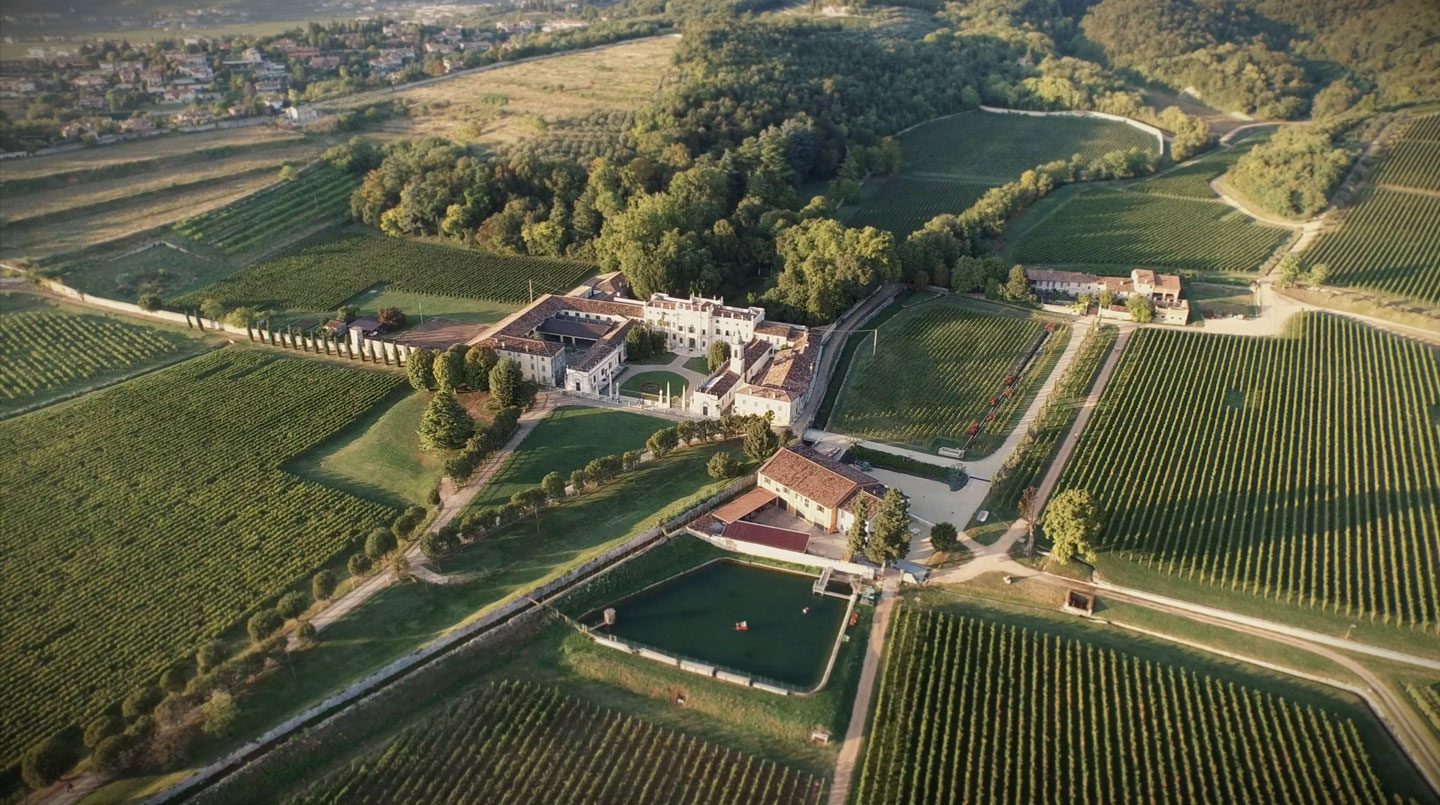
Discover a family estate spanning five generations with vineyard walks, cellar visits, and Amarone tastings
2 hours
Free Cancellation
Sample six regional wines paired with artisan cheeses, cured meats, and estate olive oil at a scenic lakeside vineyard
1.5 hours
Free Cancellation
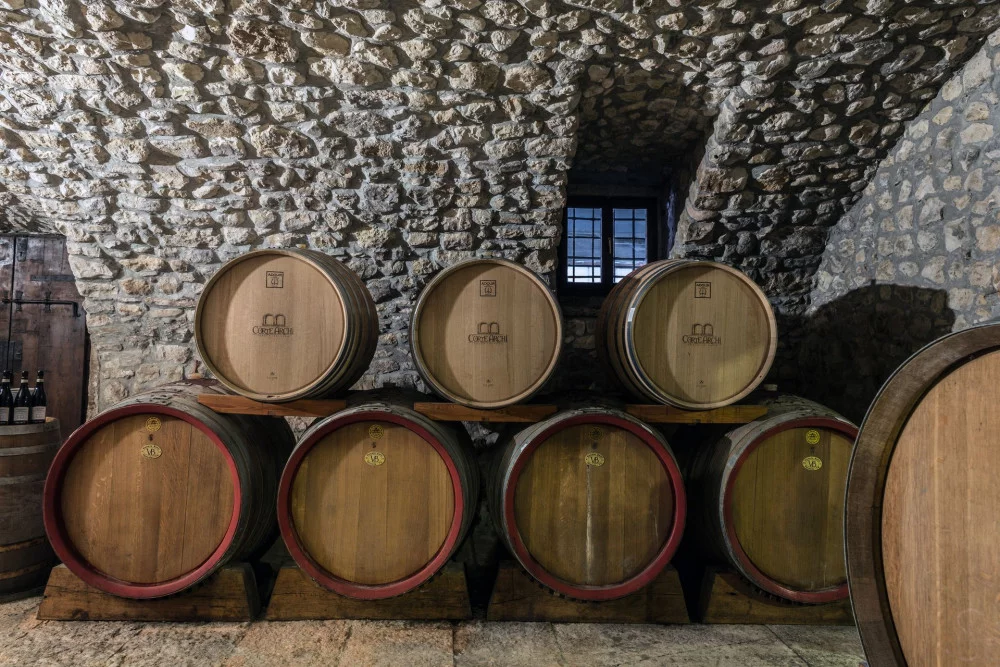
Discover centuries of winemaking tradition at a family estate, complete with museum, barrel cellars, and guided wine tasting.
2.5 hours
Free Cancellation
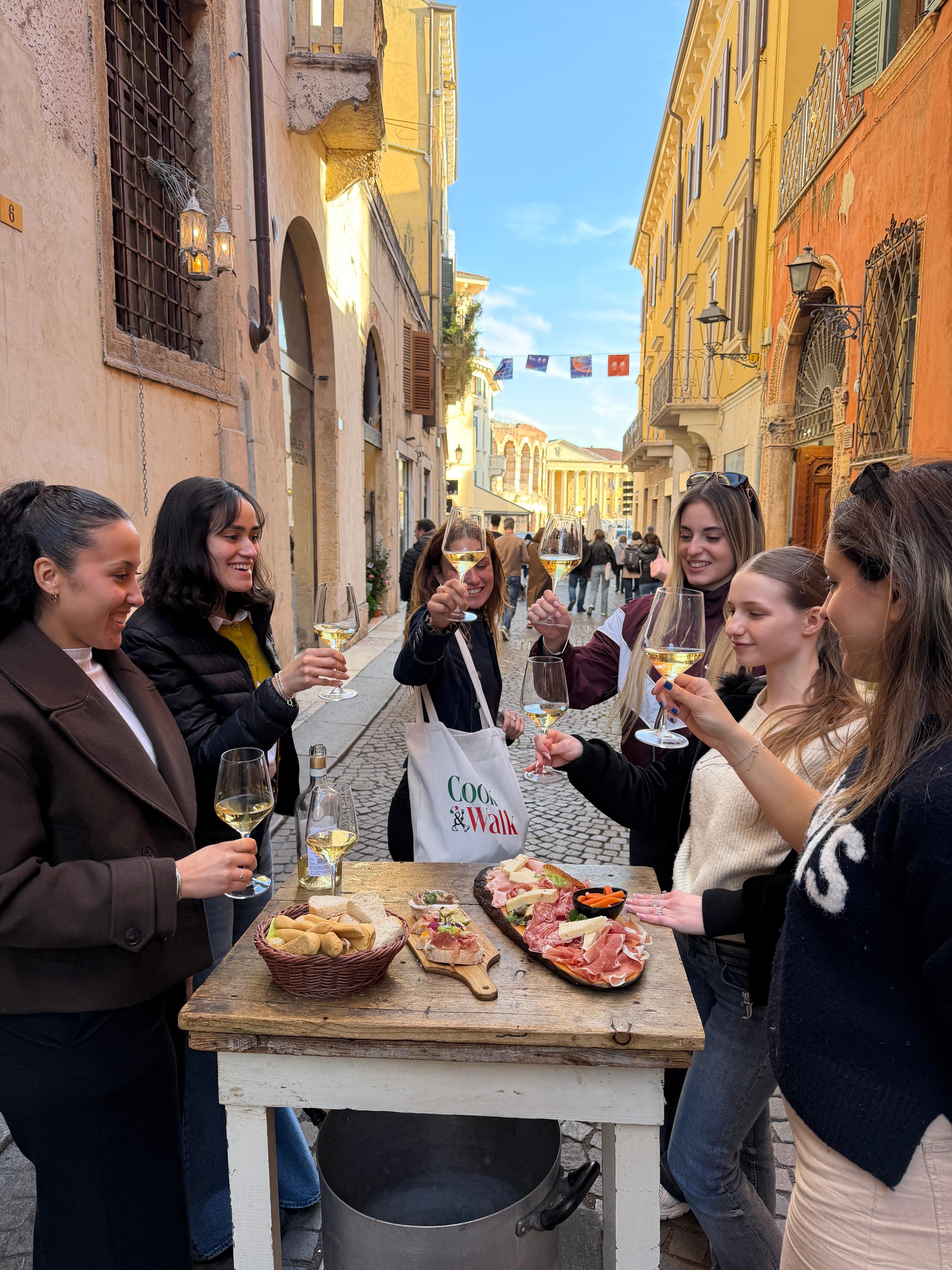
Savor Verona's finest flavors on a 2.5-hour guided tasting journey through historic eateries
5 hours
Free Cancellation
Half-day journey through renowned vineyards with tastings of Amarone, Ripasso, and classic reds
You leave Verona by mid-morning, the A22 autostrada climbing north into hills where vine rows replace the suburban sprawl within 15 kilometers.
Your first stop is a family estate in Fumane, where the guide walks you through pergola trellising — chest-high vines trained over horizontal wires so clusters hang in shade, ripening slowly under the Lessini mountain shadow. You step into the fruttaio, a vaulted stone loft where 4,000 bamboo racks hold drying Corvina clusters, the air thick with the smell of raisins and fermentation. The guide lifts a cluster: half its September weight is gone, the skins wrinkled, the sugars concentrated to 28 Brix.
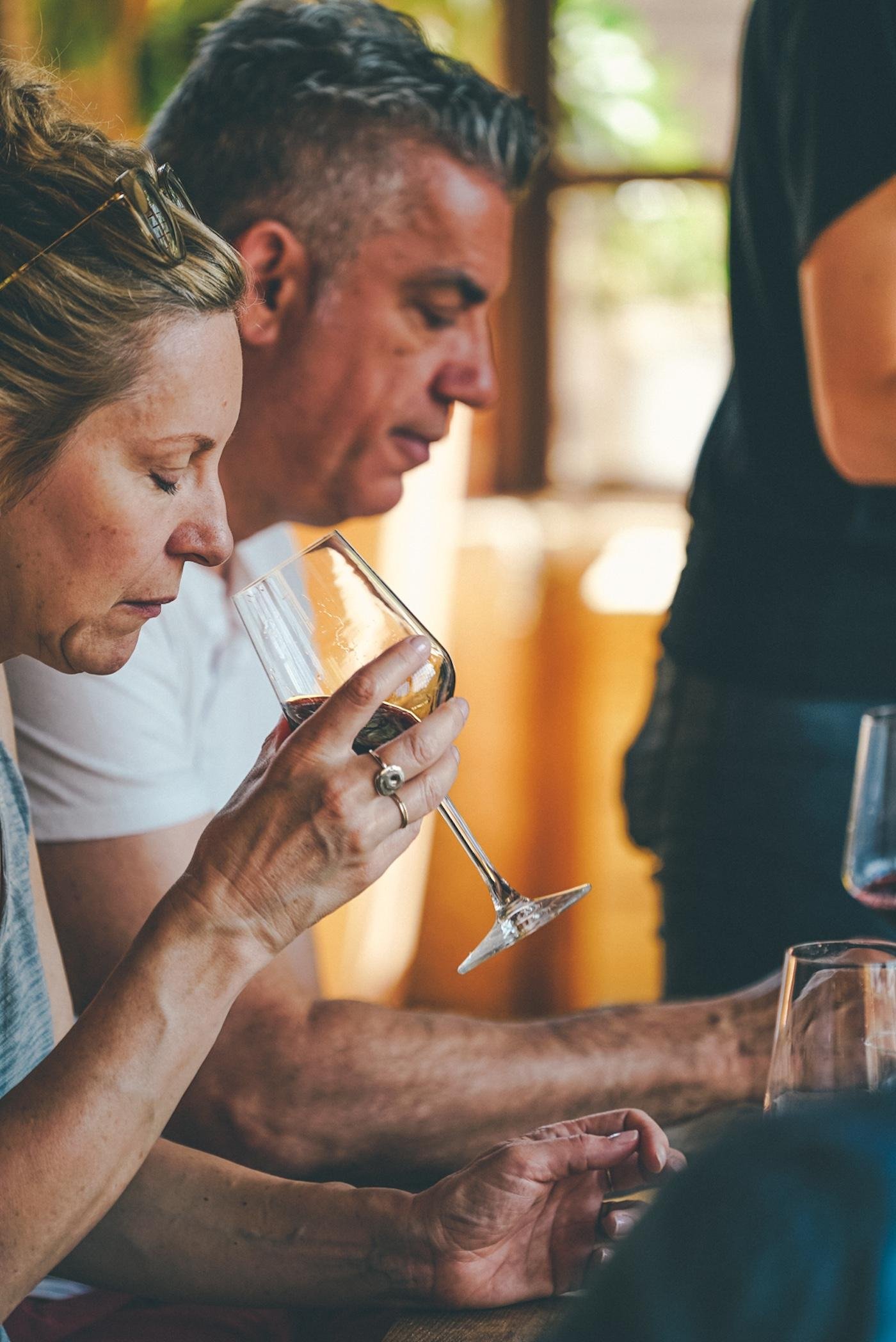
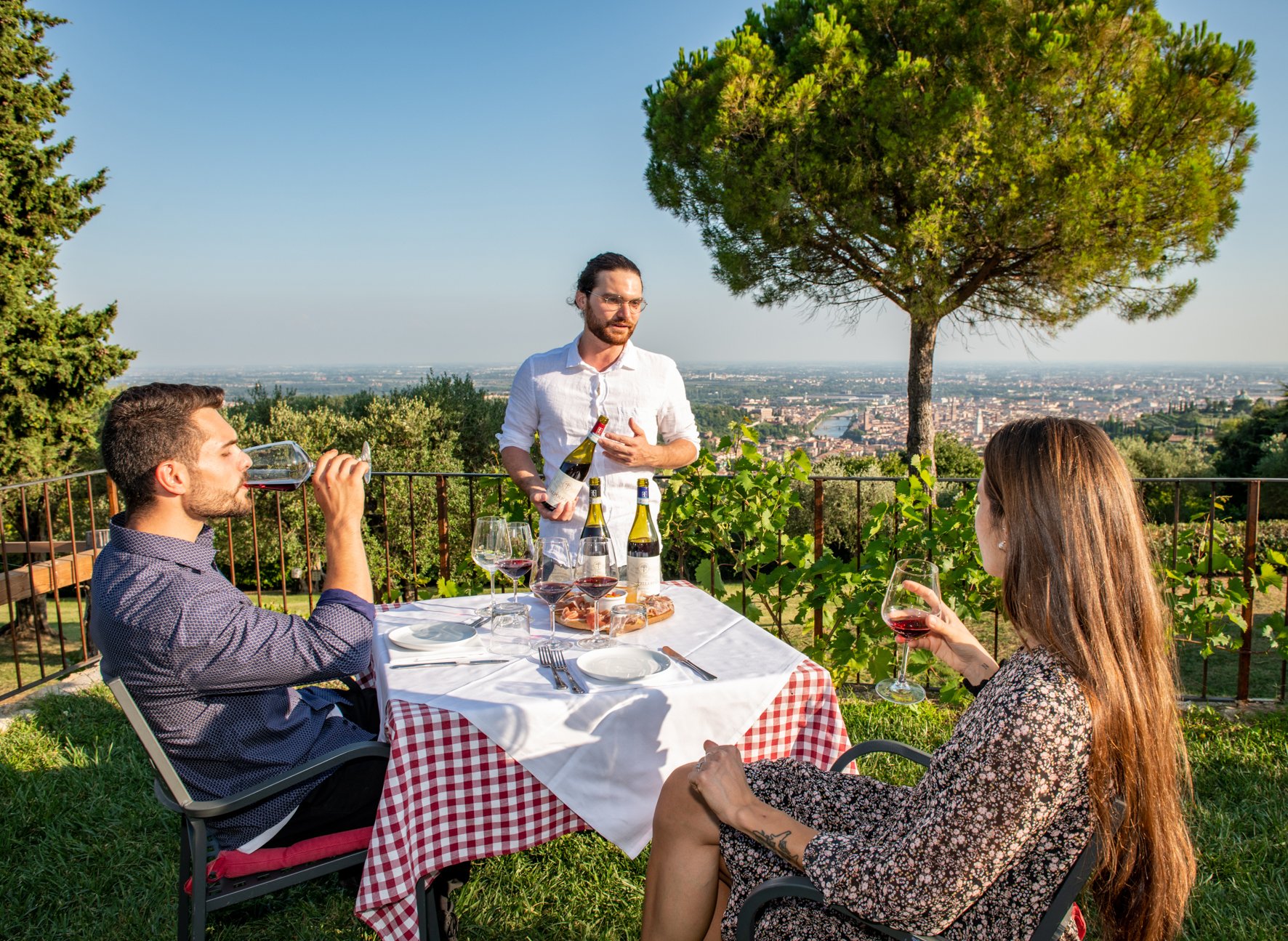
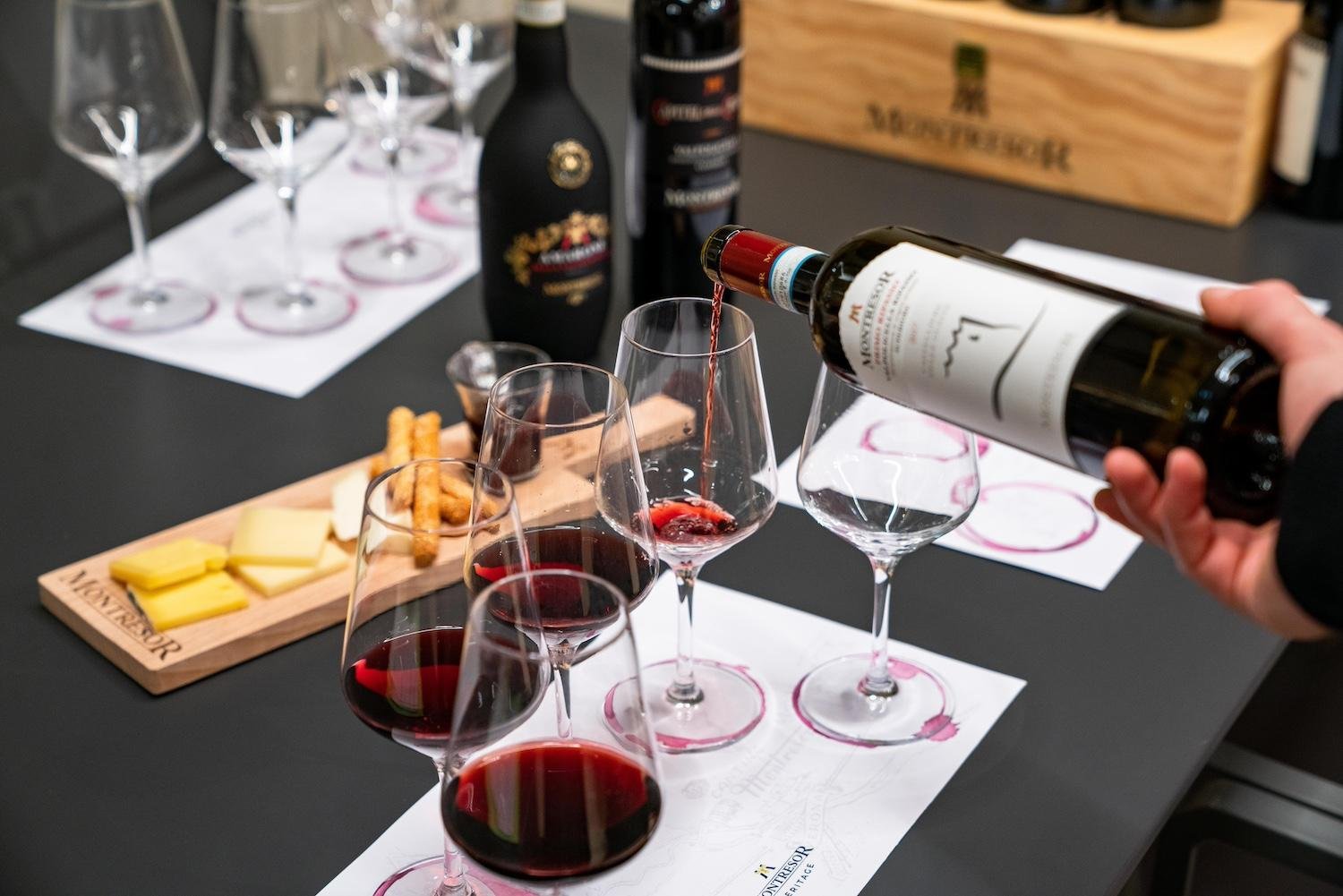
The tasting begins in a ground-floor sala with limestone walls and a single long oak table. You taste a young Valpolicella Classico first — bright cherry, 12.5% alcohol, released six months after harvest. Next is Ripasso, the same wine refermented over Amarone pomace; the glass darkens, the fruit turns to fig and tobacco. The final pour is a 2016 Amarone Riserva, 16% alcohol, aged four years in Slavonian oak casks taller than you. You sip: dried cherry, leather, a finish that lasts 40 seconds. A plate of Monte Veronese cheese and soppressa salami arrives, cut thick. You pair the Amarone with aged cheese; the fat softens the tannins, and the wine's sweetness lifts the salt. The guide uncorks a half-bottle of Recioto — the dessert twin of Amarone, fermented to 12% and stopped before the sugars convert fully. You taste chocolate, black fig, and the faint bitterness of walnut skin.
All the details about your upcoming adventure in one place
Valpolicella's appassimento method — drying harvested grapes on bamboo racks for 120 days before pressing — transforms Corvina and Rondinella into Amarone, a wine that commands shelf space in cellars from Copenhagen to Tokyo.
The technique dates to Roman times, when farmers discovered that winter-dried fruit yielded concentrated must, but the modern Amarone denomination arrived only in 1968, codifying what had been an artisan secret across fifty family estates. Today the denomination covers 19 communes stretching north from Verona into limestone hills where altitude, slope aspect, and diurnal temperature swings create microclimates as varied as Burgundy's.
Valpolicella matters because it proves that a single valley can sustain three distinct wine expressions from identical grape varieties: bright Valpolicella Classico from early harvest, sweet Recioto from the same appassimento racks used for Amarone, and Ripasso — a middleweight style that referments young wine over Amarone pomace. This tiered system allows estates to monetize every stage of the drying process, a rare economic model in European viticulture. The region exports 70 million bottles annually, yet most production remains anchored to family holdings under 15 hectares, where hand-harvesting and small-batch fermentation keep yields low and quality observable from vintage to vintage.
The architecture of Valpolicella cellars reflects this artisan scale: vaulted stone fruttai built into hillsides for passive climate control, with slatted windows facing north to encourage airflow without direct sun. Nineteenth-century estates like Villa Mosconi and Villa Rizzardi combined working cellars with neoclassical facades, turning wine production into a visible rural industry rather than a hidden barn function. Modern estates have added temperature-controlled drying lofts and stainless fermentation halls, but the appassimento racks — shallow bamboo trays stacked six high — remain a hand-operated ritual. Visitors to a Verona food and wine tour encounter this layered system firsthand, moving from vineyard rows planted in pergola veronese trellising to the dim fruttai where 30-kilogram grape clusters rest on racks for four months, losing half their weight to evaporation. The sensory progression is deliberate: from the yeast and mineral scent of active fermentation to the cherry-leather concentration of a ten-year Amarone uncorked in a barrel room whose oak staves have absorbed a century of volatile compounds. Tasting rooms occupy the ground floors of these estates, often converted from original stables or grain stores, with limestone walls and terracotta floors that regulate humidity. The ritual — five pours moving from Classico through Ripasso to Amarone Riserva — maps the valley's winemaking logic in a single tasting flight, each glass a chapter in the appassimento story.
Valpolicella's appassimento method transforms harvested grapes into Amarone, a wine that commands cellars from Copenhagen to Tokyo.
Casual attire is appropriate for a verona food and wine tour, though sturdy footwear is recommended for walking through vineyards. Dressing in layers is advised as cellar temperatures remain cool year-round.
Keep belongings minimal during your verona food and wine tour, as most historic wineries lack secure storage facilities. Large backpacks may not be permitted inside intimate tasting rooms.
Photography is generally permitted in vineyards and tasting areas during a verona food and wine tour. Please respect the privacy of winery staff and avoid using flash in dark aging cellars.
While adults focus on the verona food and wine tour, many estates welcome children in outdoor areas. Ensure younger guests remain supervised near active farming equipment.
Vineyard terrain can be uneven, and historic cellars often feature steep stairs. Contact individual operators before your verona food and wine tour to confirm wheelchair access.
External food and beverages are not permitted inside private tasting rooms. Your verona food and wine tour provides curated pairings as part of the scheduled experience.
Opening Hours
09:30–17:00
Address
Valpolicella, Province of Verona, Veneto, Italy
Entry Status
0 EUR (Free entry to the region; individual winery tours/tastings vary in price)
Best arrival
09:30–16:00
Storage
Not available at public landmarks
Region
Valpolicella wine region
Car · Variable · Cost dependent on vehicle type
The most efficient way to navigate the region is via rental car or private hire.
Public transport · 60 min · Low cost
Bus lines from Verona to regional hubs are available but infrequent.
Individual winery tours booked as part of a verona food and wine tour operate under specific vendor policies. Please verify refund windows at the time of booking your verona food and wine tour tickets.
Recommended time
Full day
Planning your verona food and wine tour requires careful coordination between vineyard appointments and travel through the scenic Valpolicella hills. Starting early helps you navigate the local terroir before peak traffic, while afternoon visits to regional estates are often quieter. This wine tasting excursion usually benefits from a full day to allow for leisurely transit and proper cellar exploration, as securing verona food and wine tour tickets for popular producers requires advanced scheduling. When considering verona food and wine tour tours, allow extra transit time between remote cellar doors to manage your itinerary effectively.
Crowd levels through the day
Weather · crowds · average price — dots go green to amber to red as each metric rises.
Ideal harvest season with mild temperatures and vineyard activity.
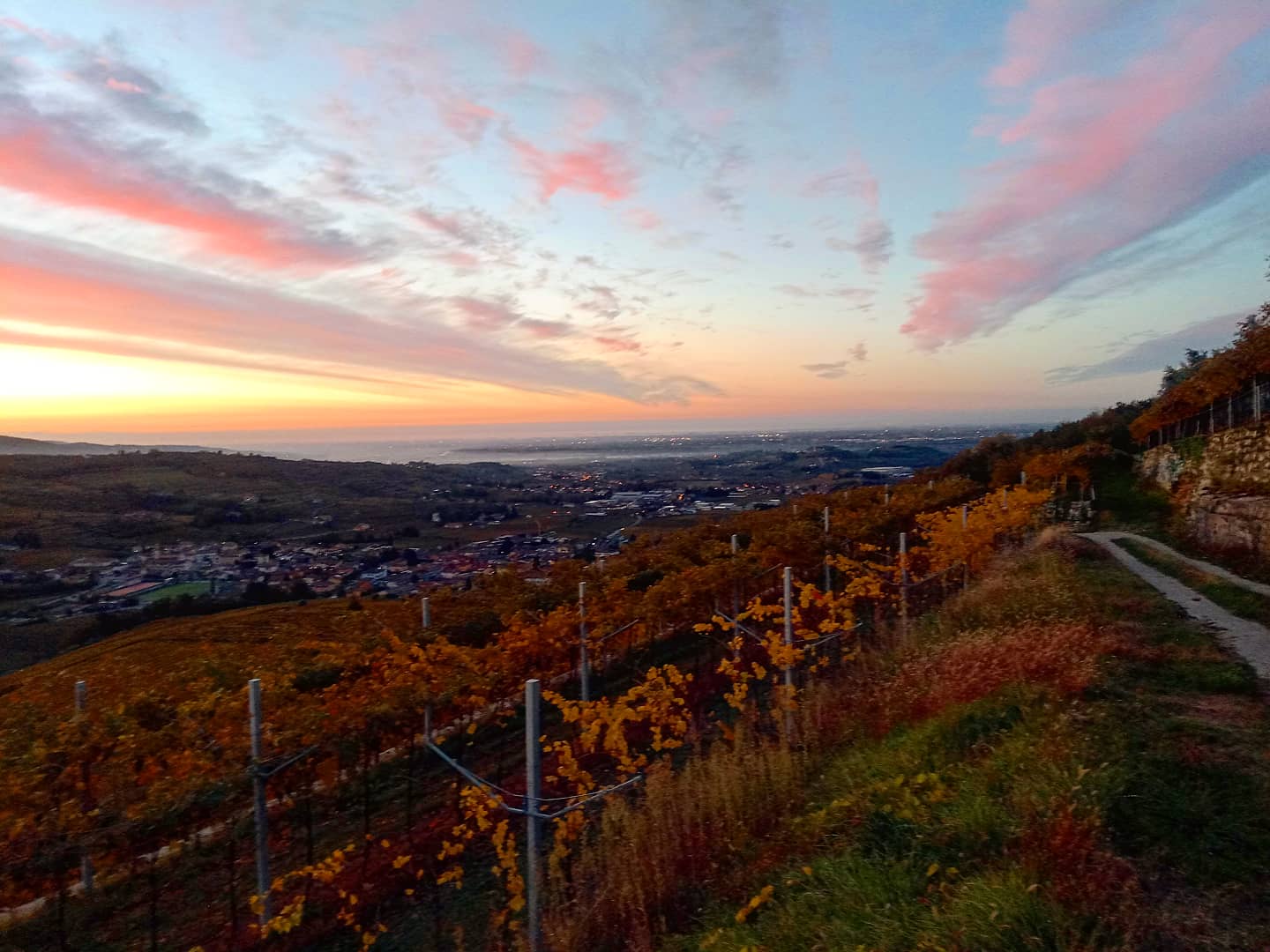
Autumn colors provide scenic views for an outdoor verona food and wine tour.
Pleasant weather for exploring without the mid-day heat of summer.
Focus on morning visits to avoid peak temperatures during a verona food and wine tour.
Reservations are mandatory for almost all high-quality venues on a verona food and wine tour.
Verify specific estate hours, as many differ from general regional accessibility.
This iconic local wine is a highlight of any authentic verona food and wine tour.
Visit https://www.infovalpolicella.it for maps and winery lists.
If visiting in September, avoid blocking narrow vineyard roads with vehicles.
The terrain is rolling, so a verona food and wine tour requires stable footwear.
The viticultural tradition of Valpolicella stretches back to Roman times, when settlers recognized the region's volcanic soils and alpine-tempered climate as ideal for grape cultivation. Pliny the Elder documented the quality of Rhaetic wines produced in the foothills north of Verona, establishing a reputation that would endure for two millennia. By the sixth century, Cassiodorus praised the local vintages in correspondence with the Ostrogothic court, cementing the area's status as a source of prized table wines. Medieval monasteries expanded vineyard acreage and refined fermentation techniques, laying the groundwork for a commercialized wine economy that thrived under Venetian rule. The defining innovation arrived in the eighteenth century with the formalization of appassimento, the practice of drying harvested grapes on straw mats to concentrate sugars and flavor compounds. This labor-intensive process transformed ordinary Corvina and Rondinella grapes into the rich, complex Amarone style that would come to define a verona food and wine tour experience. The technique was codified by local estates seeking to differentiate their production from neighboring regions, and by the 1930s the first commercially labeled Amarone bottles appeared, though the name itself was not officially adopted until 1968. The postwar decades brought mechanization and temperature-controlled cellars, yet the core appassimento method remained unchanged, a deliberate preservation of craft in an industrializing sector. Phylloxera ravaged European vineyards in the late nineteenth century, and Valpolicella was no exception. Growers replanted with American rootstock, a painstaking recovery that took decades but ultimately strengthened varietal selection and terroir focus. The establishment of the Valpolicella DOC in 1968 formalized production zones and quality standards, distinguishing Classico hillside vineyards from valley-floor plantings. Today, the region's verona food and wine tour tours draw visitors to centuries-old cellars where Amarone still ages in Slavonian oak, a living continuity between Roman amphorae and modern oenology. The landscape itself—terraced slopes, dry-stone walls, and family estates—remains a testament to generations of meticulous viticulture.
Pliny the Elder documented Rhaetic wines from the Verona foothills, praising their quality and establishing early viticultural renown.
Cassiodorus recommended Valpolicella wines to the Ostrogothic court, cementing the region's reputation across Italy.
Monastic orders expanded vineyard holdings and refined fermentation techniques, commercializing wine production under Venetian trade networks.
Appassimento drying method was formalized, concentrating grape sugars to create the ancestor of modern Amarone.
Phylloxera devastated vineyards; replanting with American rootstock reshaped varietal selection and delayed regional recovery.
First commercially labeled Amarone bottles appeared, though the official designation would not arrive for three more decades.
Valpolicella DOC established production zones and quality standards, codifying Classico hillside terroir and Amarone naming conventions.
International demand surged for Amarone and Ripasso styles, driving investment in sustainable viticulture and agritourism infrastructure.
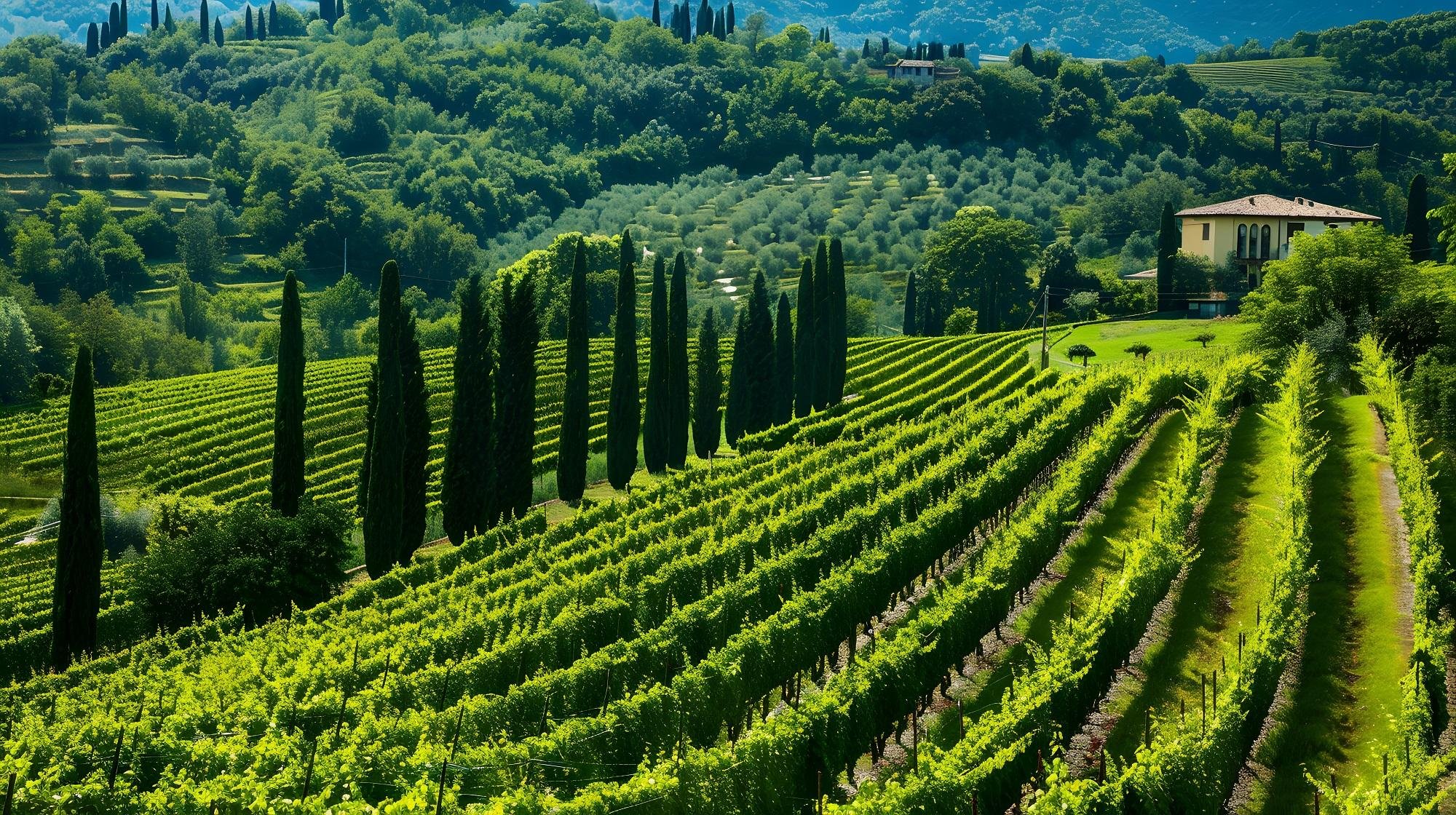
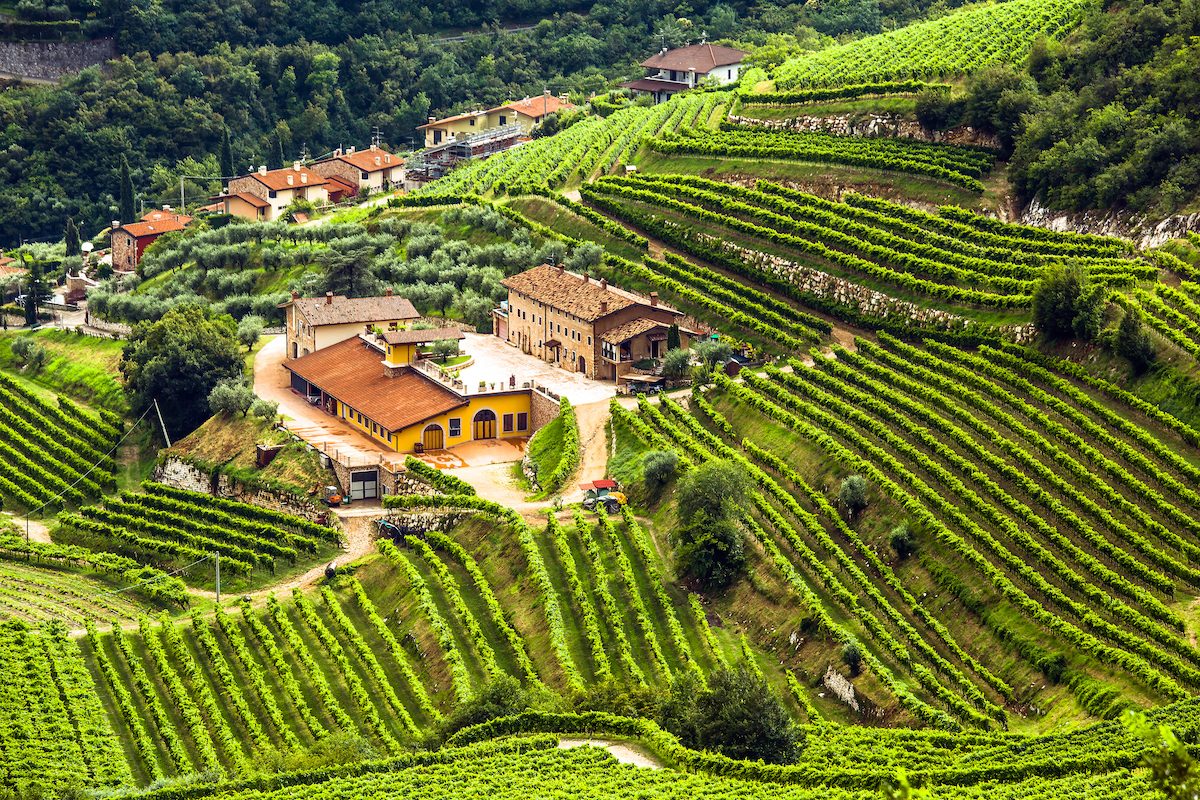
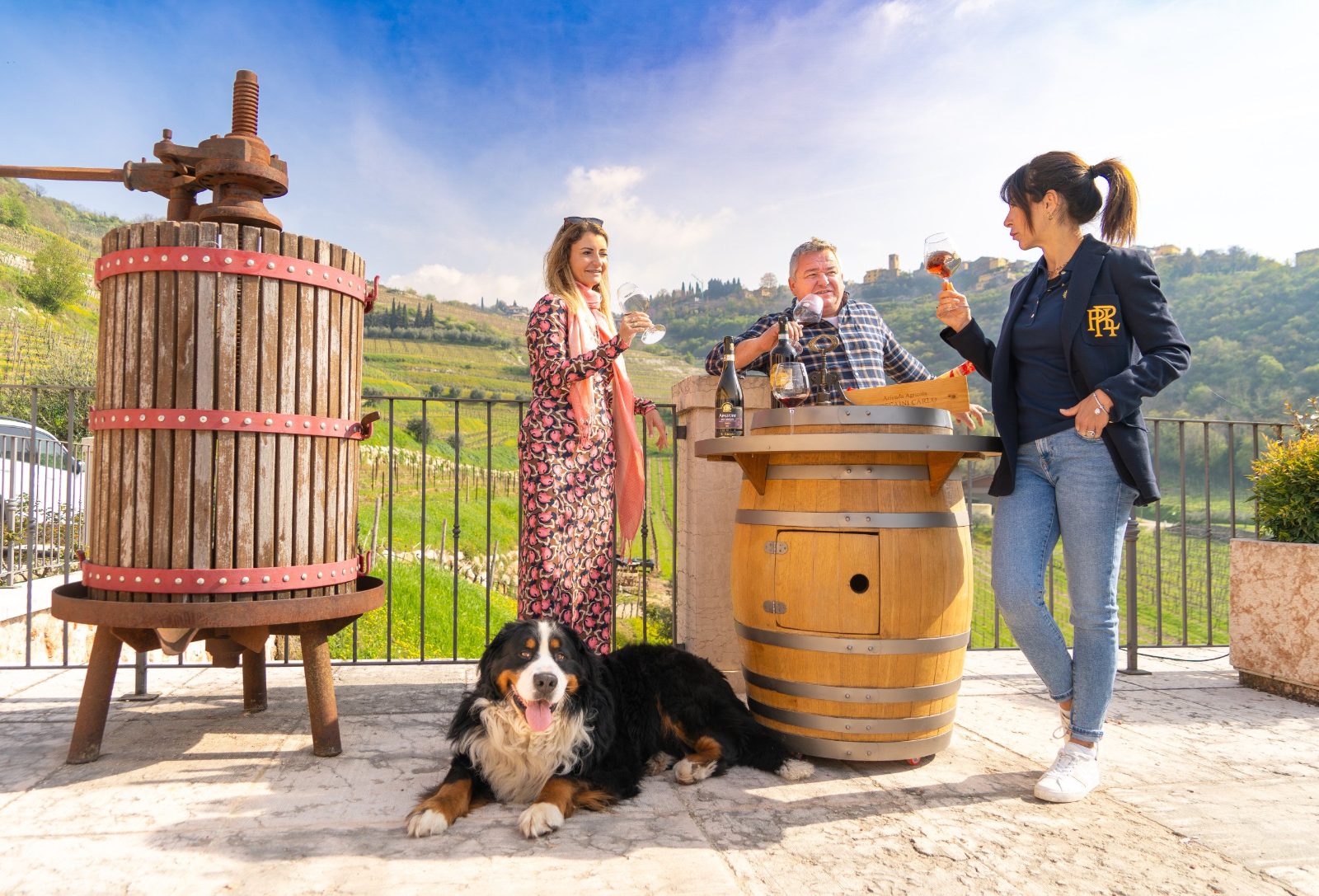
Stand on the expansive terrace overlooking the historic vineyards to capture the symmetry of the vines against the rolling hills. This spot offers a clear view of the estate architecture that defines a typical verona food and wine tour experience.
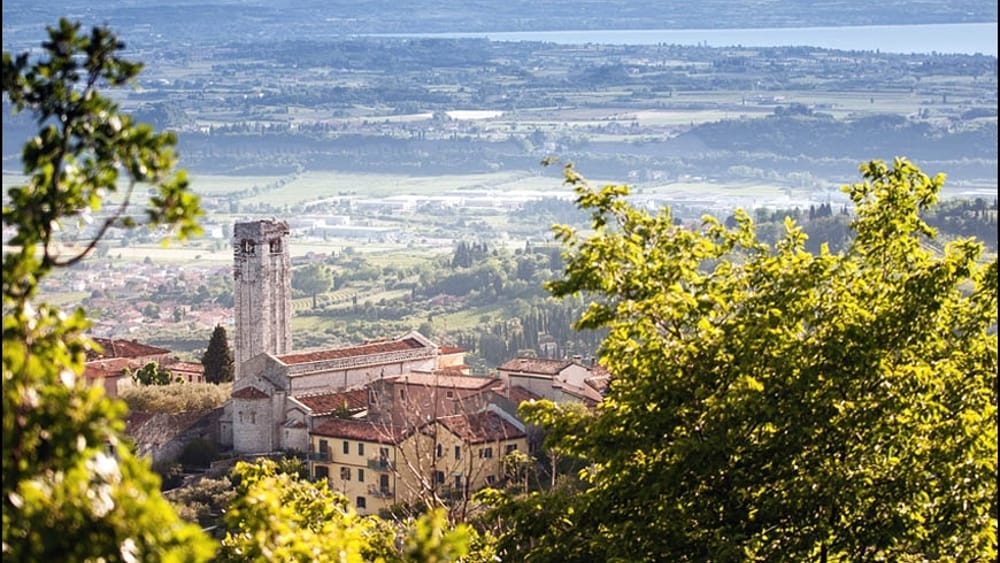
Position your camera at the church entrance to frame the ancient stone facade with the backdrop of the Adige Valley. This vantage point allows for high-contrast images of the Romanesque masonry found on many local Valpolicella excursions.
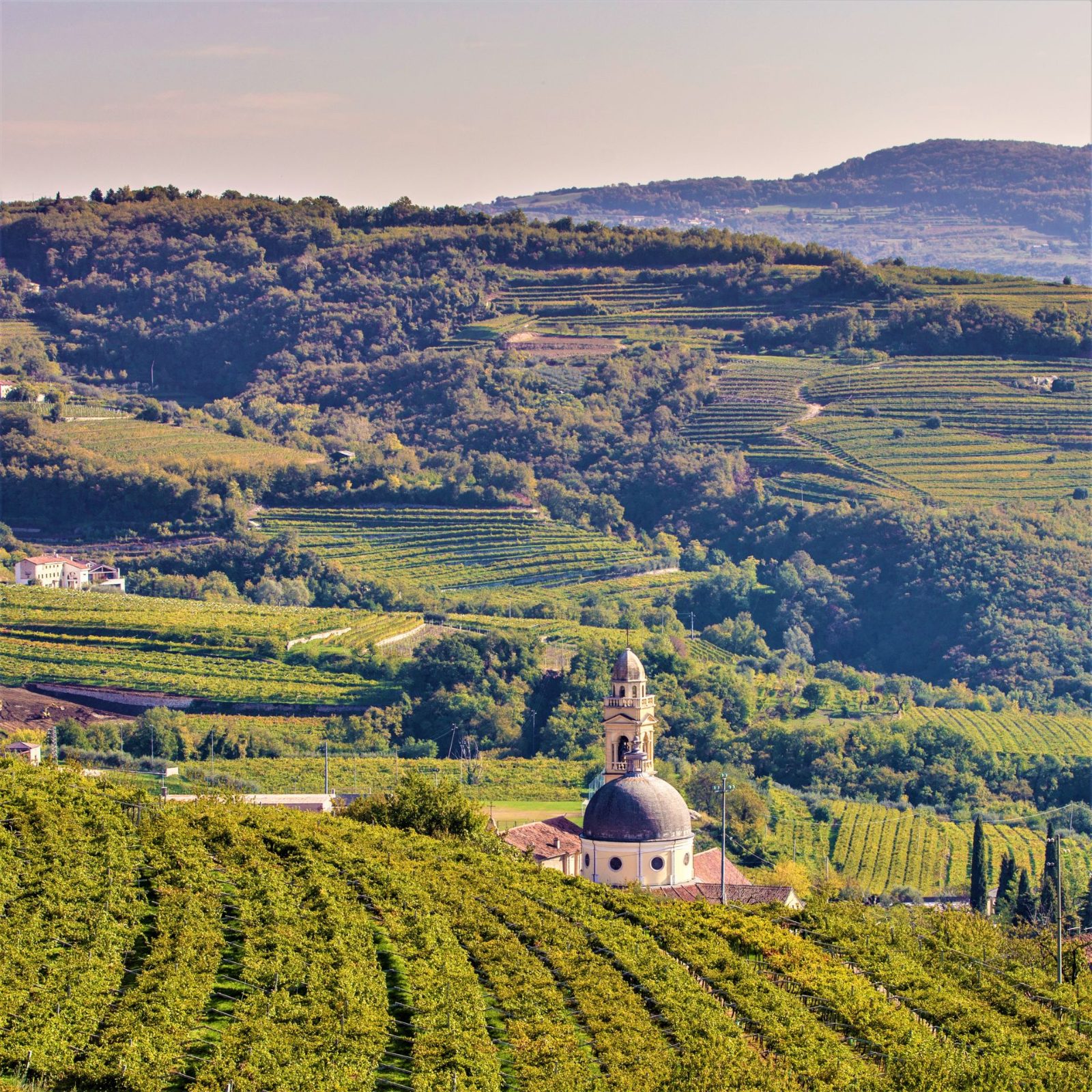
Travel to this elevated road to shoot panoramic vistas of the terraced hillsides and dry stone walls. It serves as a perfect location for landscape photography during verona food and wine tour tours.
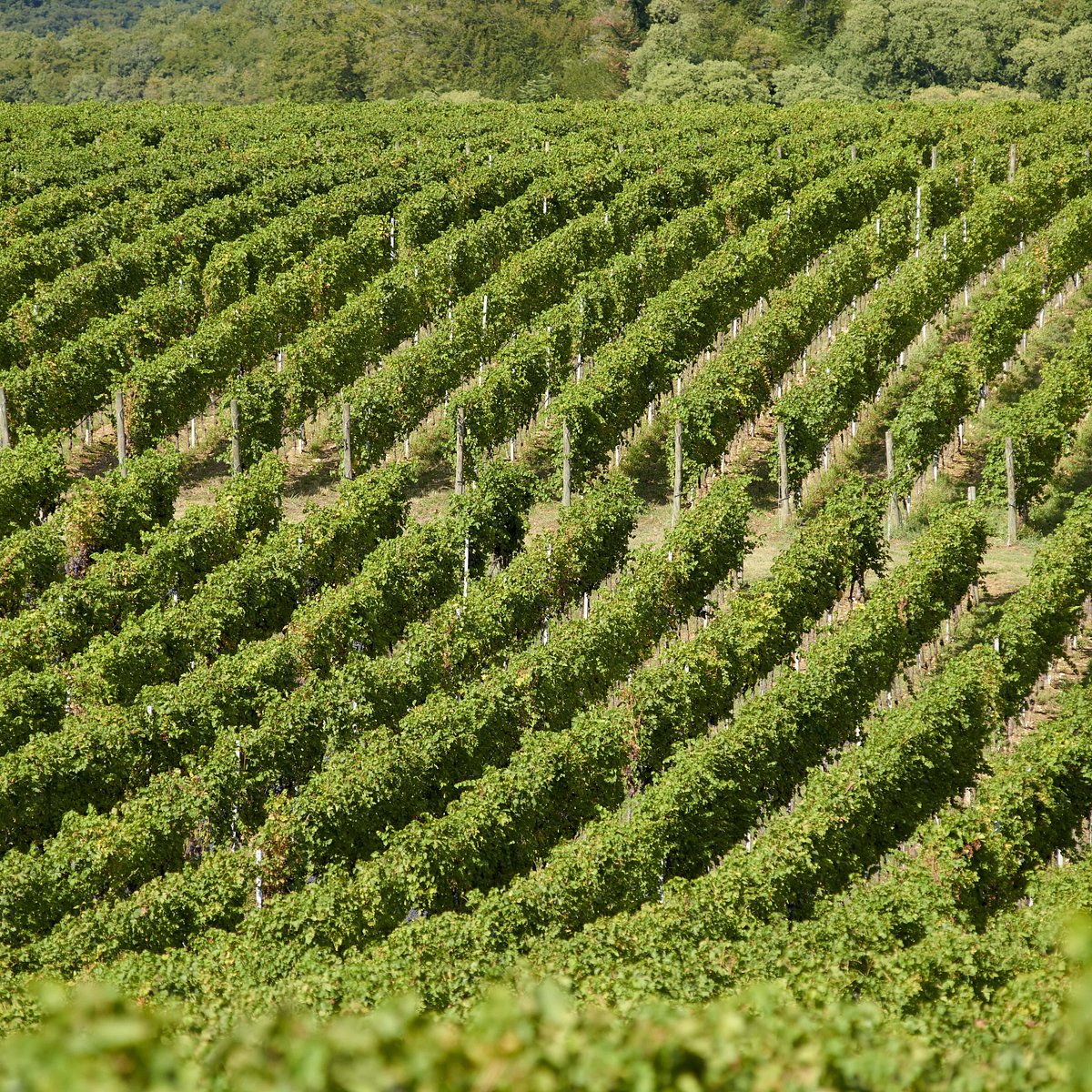
Locate the secondary paths winding through the valley floor to photograph the neat rows of Corvina grapes. These corridors provide a sense of scale for your verona food and wine tour tour portfolio.
Exploring the vineyards of Valpolicella as a family offers a relaxed way to enjoy the Italian countryside during your verona food and wine tour. Most estates are spacious, providing plenty of room for children to move about while parents engage with local viticulture.
Most vineyard paths are gravel or grass, so a rugged stroller is recommended for your verona food and wine tour tours. Carrying a baby carrier is often more practical for navigating cellar stairs and tasting rooms.
Public baby-change stations are rare in rural wineries, so plan to be self-sufficient during your visits. Most wineries in the region are family-owned and generally accommodating if you need a quiet corner for your little ones.
This region is best suited for infants in carriers or older children who can appreciate the outdoor surroundings of these Verona landmarks. School-aged children may find the vineyard scenery engaging, though long formal tastings might require extra preparation with verona food and wine tour tickets.
Plan your day within the best arrival window of 09:30–16:00 to avoid the peak heat and maintain a manageable schedule. We recommend limiting your itinerary to one or two estates to ensure a stress-free verona food and wine tour tour for the whole family.
While the primary focus is wine, many estates offer bread, local cheeses, or fruit juice, though packing specific snacks is advisable. The surrounding Province of Verona, Veneto, Italy provides many trattorias where families are welcomed to enjoy local pasta dishes.
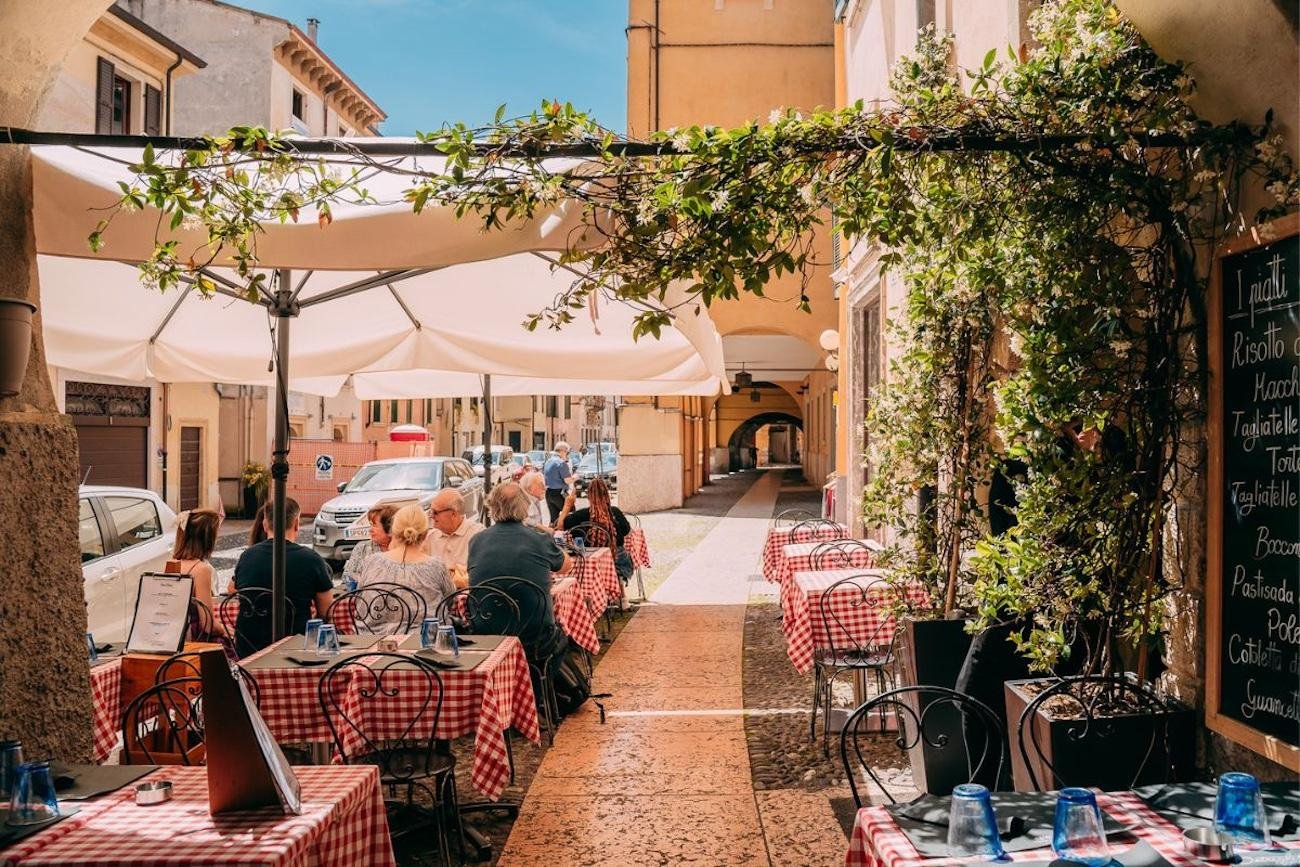
Exploring the countryside during a verona food and wine tour allows you to experience authentic trattorias nestled among the hillside vineyards. Visitors often find that local eateries near the region provide the ideal setting to enjoy regional Amarone and Valpolicella pairings.
Located in the heart of the region, this spot serves handmade bigoli and local cheeses that pair well with regional grapes. It is a quiet choice for those seeking a slower pace during their verona food and wine tour tours.
Everything you need to know for your journey
The region is open Mon–Sat 09:30–17:00, though specific wineries set their own appointments.
Book your verona food and wine tour tickets in advance to guarantee access to private estates.
Arrival before 09:30 is not recommended; aim for the 09:30–16:00 window for your verona food and wine tour.
Yes, the Valpolicella region is open to the public, though specific winery access varies.
Bring water, sunscreen, and your booking confirmation for your verona food and wine tour.
Yes, but focus on the cultural aspects of the verona food and wine tour if traveling with children.
A car is the best way to reach the Valpolicella region for your verona food and wine tour.
September and October are excellent months for a verona food and wine tour due to the harvest.
Most vineyards allow photos, but ask permission before capturing your verona food and wine tour experience.
Review your verona food and wine tour tickets for specific refund terms provided by your operator.
Romanesque church with panoramic views over the vineyards.
Renaissance villa known for its historic architecture.
Historic village offering traditional stone architecture.
Natural park featuring waterfalls and walking paths.
Central hub for regional boutique stays.
Quiet area with several luxury winery hotels.
Larger town with mid-range hotel options.
Join thousands of happy travelers who have discovered this incredible experience
Book Your Experience Now