4 hr
Valpolicella Amarone Wine Tour from Verona
- Entry ticket
- Mobile voucher
- Valid same day
- Free cancellation
Verona Wine Tasting — Valpolicella Estate Tours & Amarone Experiences
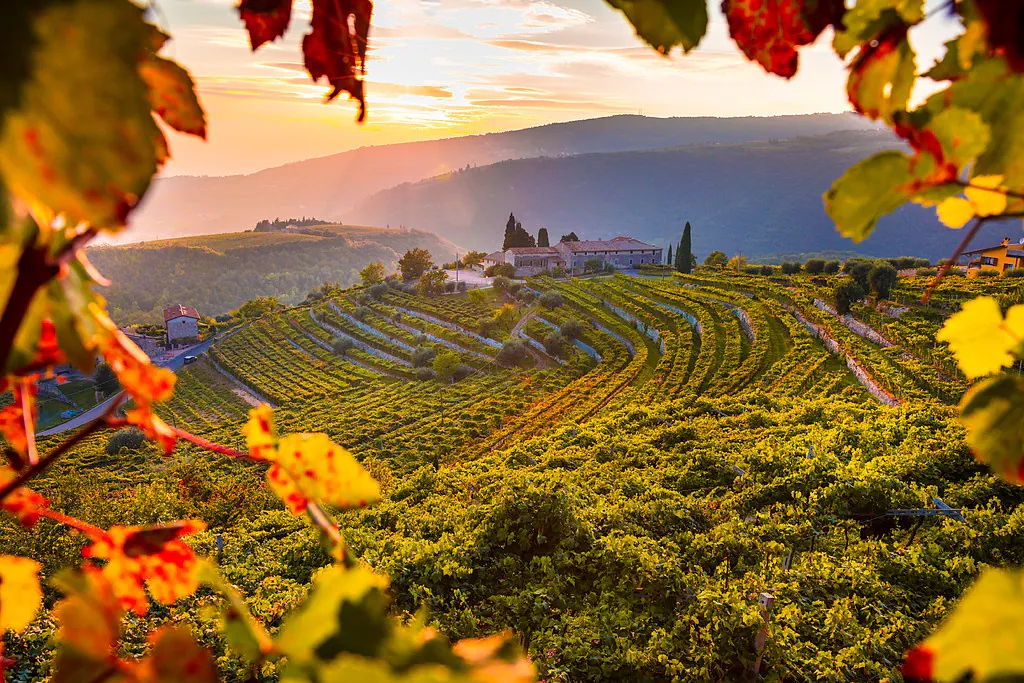
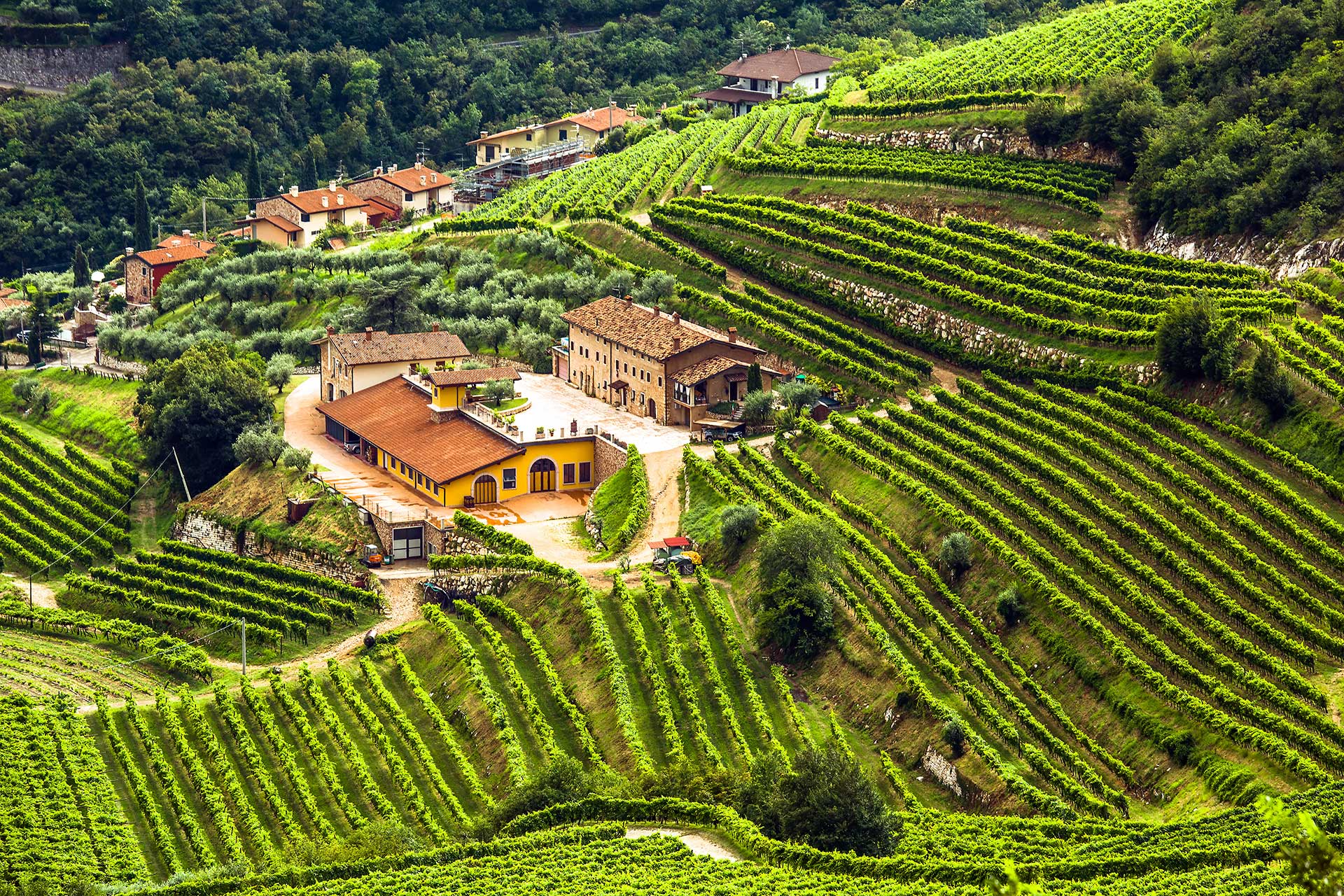
Hillside cellars and century-old vines, where Amarone ages in oak
Compare fares, pick the fit — all bookings are mobile-voucher and eligible for free cancellation where shown.
4 hr
1 hr 30 min
3 hr
Choosing a verona wine tasting experience in Valpolicella involves selecting between casual shop visits and structured cellar tours. These local winery excursions provide unique opportunities to explore historic vineyards and taste regional specialties.
|
Top pick Shop Visit Walk-in Tasting |
Guided Tour Cellar & Experience | |
|---|---|---|
| Access method | Free entry | Appointment required |
| Areas included | Wine shop only | Cellars and vineyards |
| What is included | Retail purchase | Guided tasting and tour |
| Wait time | None | Depends on booking |
| Best for | Casual visitors | Wine enthusiasts |
| See tickets & prices |
Verdict: First-time visitors to the region should opt for a guided verona wine tasting tour to ensure access to the production areas and expert local insight.
Worth it if you want curated cellar access
Guided verona wine tasting tours in Valpolicella deliver value through three concrete advantages: direct access to family-run cellars that don't advertise publicly, expert commentary on Amarone production methods, and pre-arranged logistics that eliminate the risk of driving between wineries after sampling. Tours typically include three to four estate visits with structured tastings of Valpolicella Classico, Ripasso, and Amarone, plus olive oil or cheese pairings. The alternative—self-driving to enotecas along the Strada del Vino—costs less in tour fees but requires navigation, advance booking at individual cellars, and strict sobriety planning. For visitors prioritizing efficient cellar access and guided instruction over spontaneous exploration, verona wine tasting experiences justify the premium. Solo travelers and groups benefit most; couples with rental cars and flexible schedules may prefer independent visits to hillside vineyards at their own pace.
Bottom line: Guided verona wine tasting tours trade cost and flexibility for curated access and expert context—worth the investment for first-time visitors prioritizing efficiency over independent exploration.
They complement each other; most visitors who do both call Valpolicella the more intense, structured experience compared to the lighter, refreshing profiles found in Bardolino. Selecting the right verona wine tasting region depends on whether you prefer robust reds or accessible, fruit-forward wines.
|
Top pick Valpolicella |
Bardolino | |
|---|---|---|
| Primary Grape Varieties | Corvina, Corvinone, Rondinella | Corvina, Rondinella, Molinara |
| Wine Body and Profile | Full-bodied, complex, high tannins | Light, crisp, fruit-forward |
| Landscape and Terrain | Rolling hills, limestone soils | Morainic hills, near Lake Garda |
| Typical Winery Atmosphere | Traditional, cellar-focused, historic | Casual, lakeside-relaxed, modern |
| Proximity to Verona | 15-20 minutes by car | 30-40 minutes by car |
| Guided Experience | Available via verona wine tasting tours | Available via verona wine tasting tickets |
| See tickets & prices |
Verdict: Choose Valpolicella for deep, age-worthy bottles and rich heritage, or select Bardolino for a casual, lighter verona wine tasting tour experience near the water.
Hand-picked experiences loved by thousands of travelers
1.5 hours
Free Cancellation
Discover a family-run winery just minutes from Verona's center with museum tour and expert-led tasting
3.5 hours
Free Cancellation
Journey through Italy's legendary wine country for an afternoon of Amarone tastings and vineyard exploration
2 hours
Free Cancellation
Explore a heritage estate, discover the Amarone drying method, and savor regional wines with antipasti
1.5 hours
Free Cancellation
Discover a traditional estate in the Valpolicella hills with guided cellar tours and premium wine samplings
4.5 hours
Free Cancellation
Discover Italy's renowned wine country with visits to two family wineries and six wine tastings
Approximately 7.5 hours
Free Cancellation
Pedal through vineyard-covered hills on an electric bike and savor Amarone wines with local delicacies
2 hours
Free Cancellation
Sample six organic wines in an elegant 18th-century cellar near the Arena, paired with local delicacies
1 hour
Free Cancellation
Explore three vintages of Amarone della Valpolicella with expert sommeliers in a landmark wine bar
Confirm your booking at the winery reception
Guided tour through the local rows
Learn about the drying process for grapes
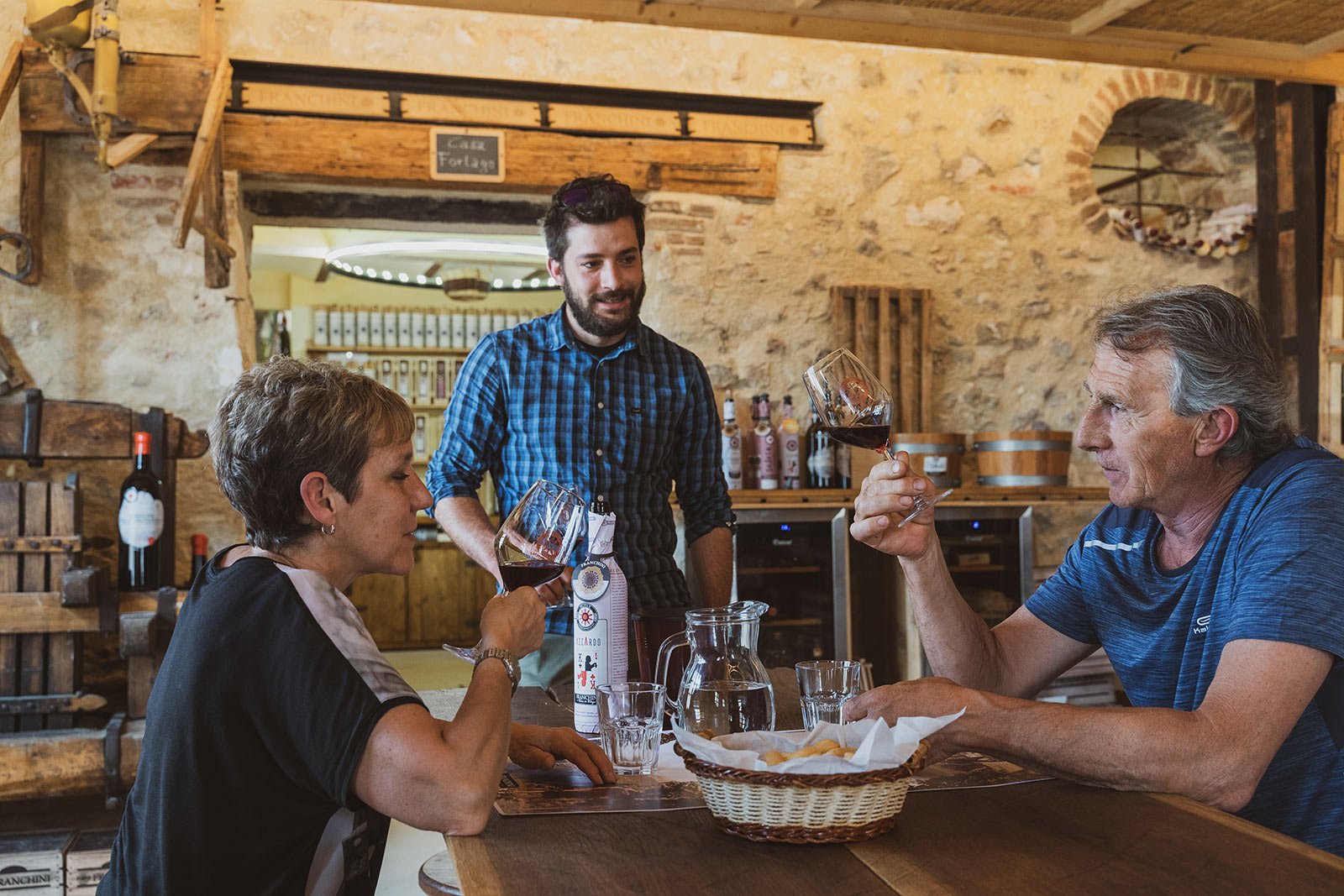
Sample regional varietals with a sommelier
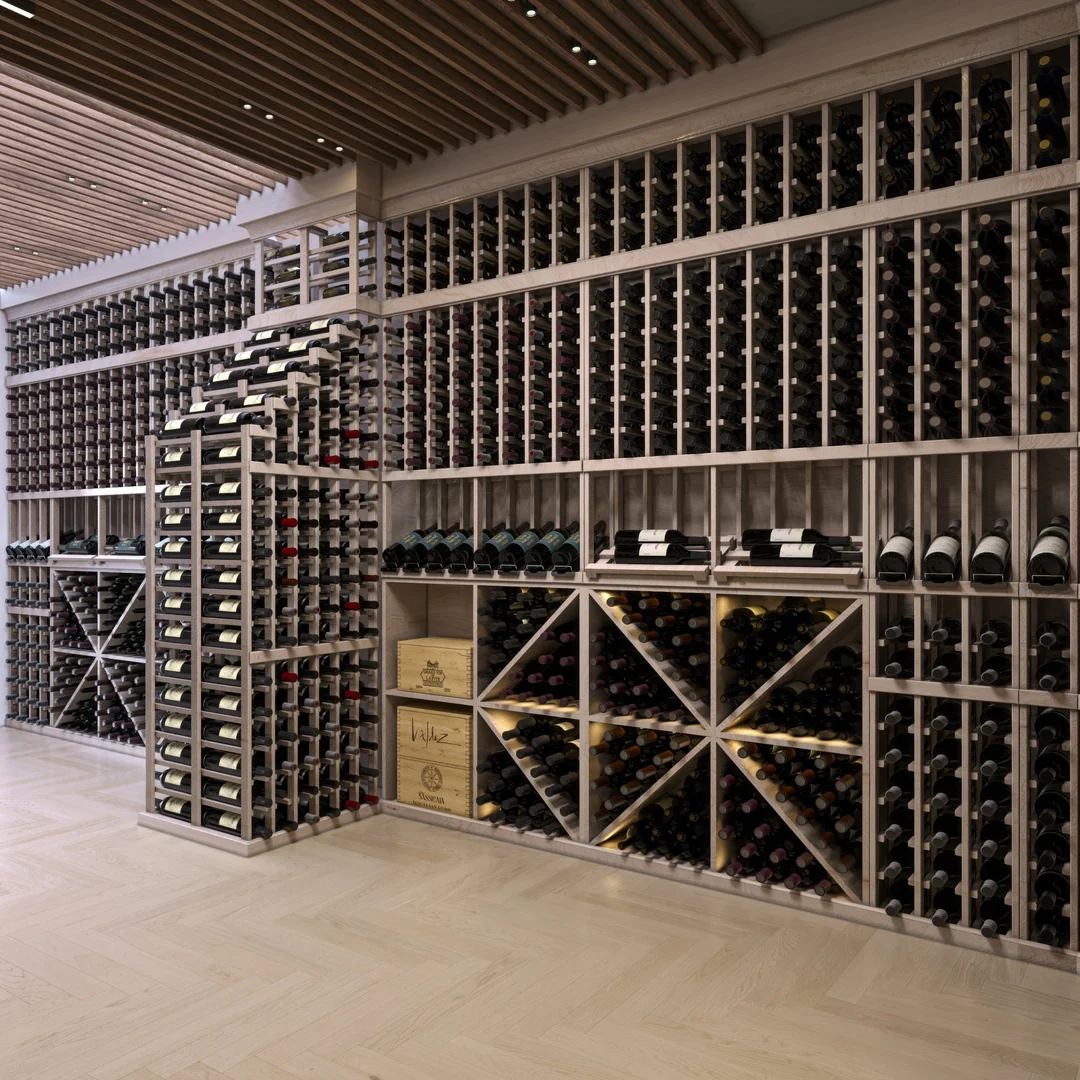
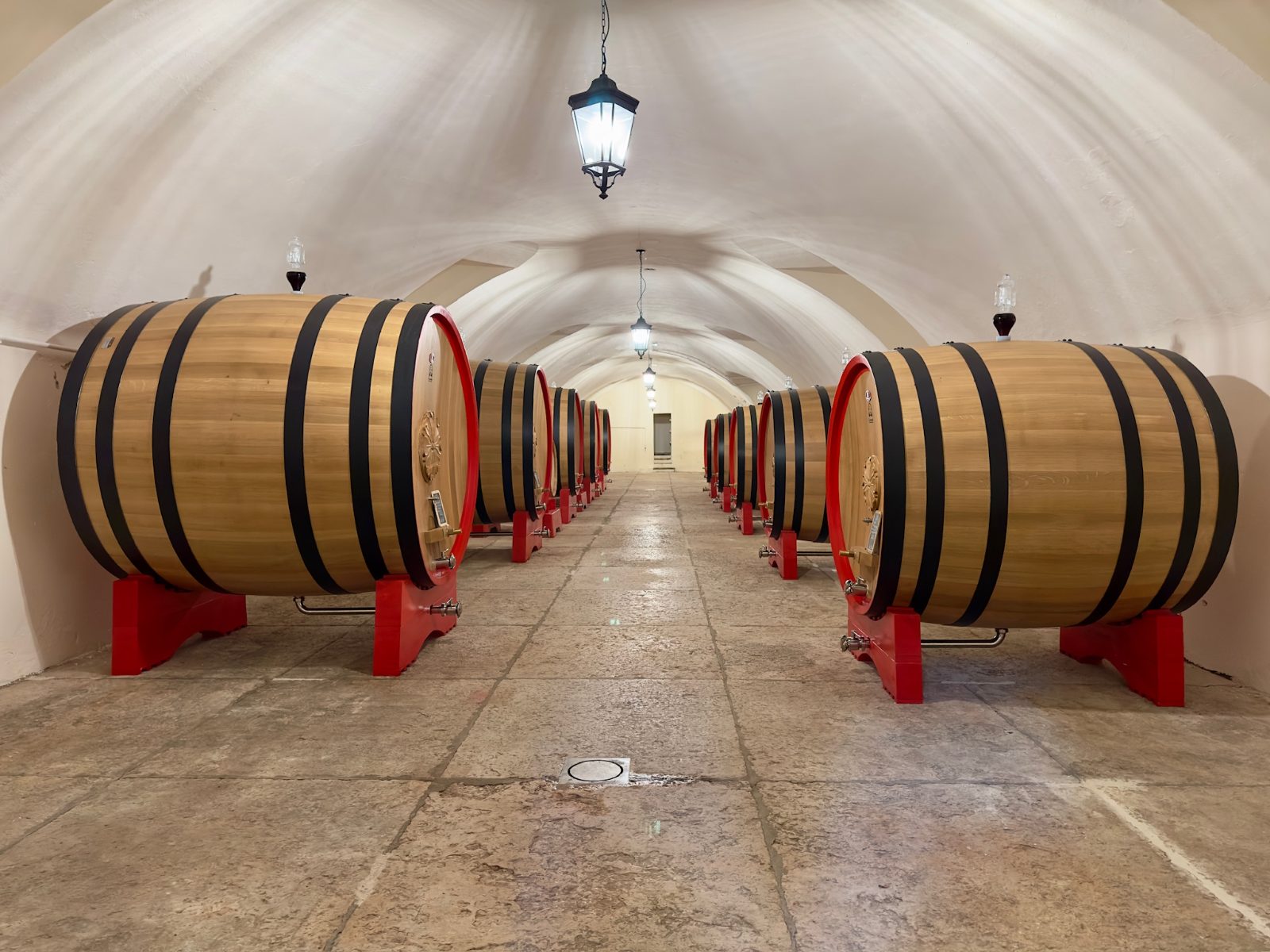
Explore the subterranean aging rooms where traditional production methods remain central to the experience.
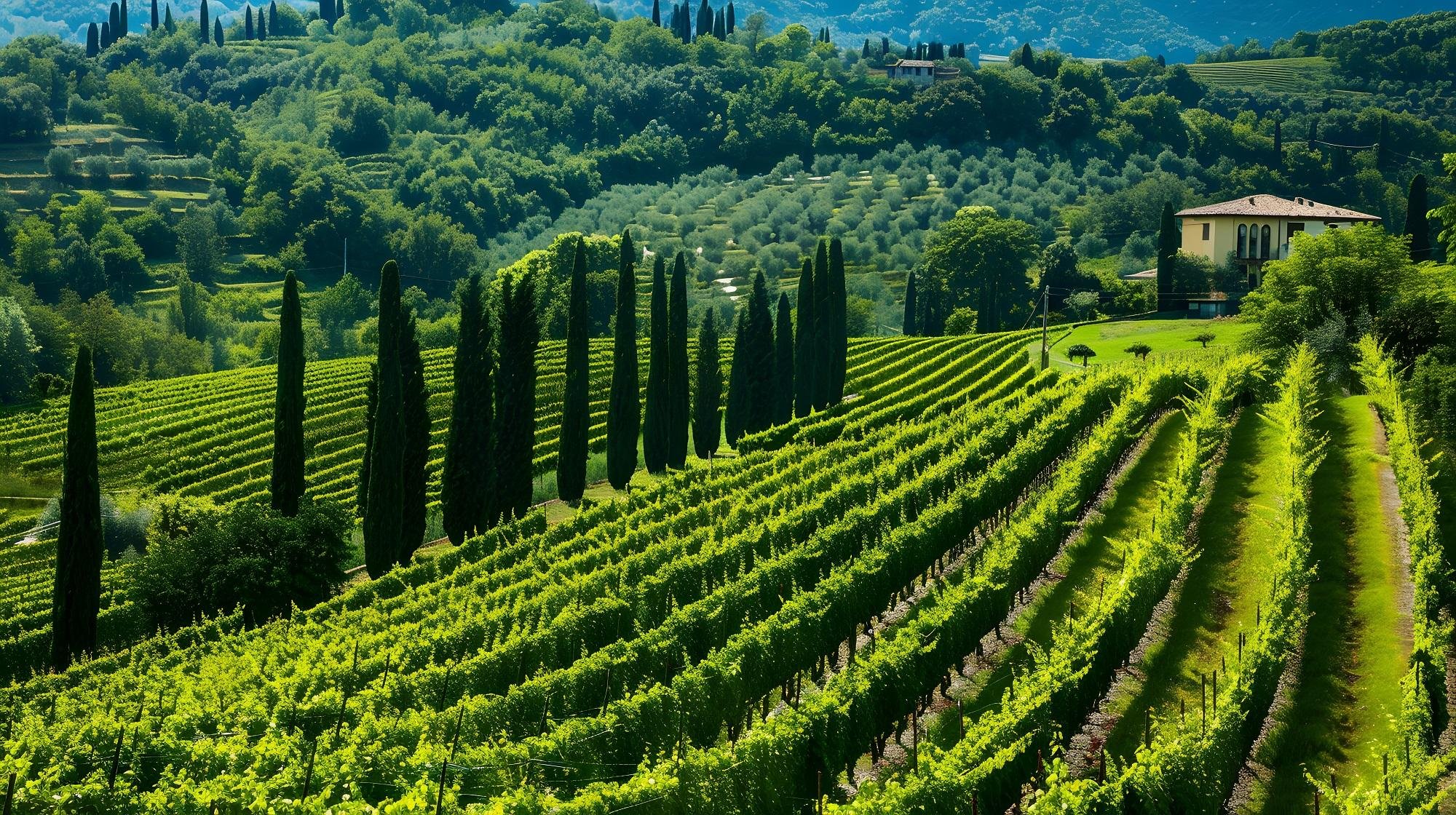
Walk the rows of indigenous grape varieties that define the local landscape.
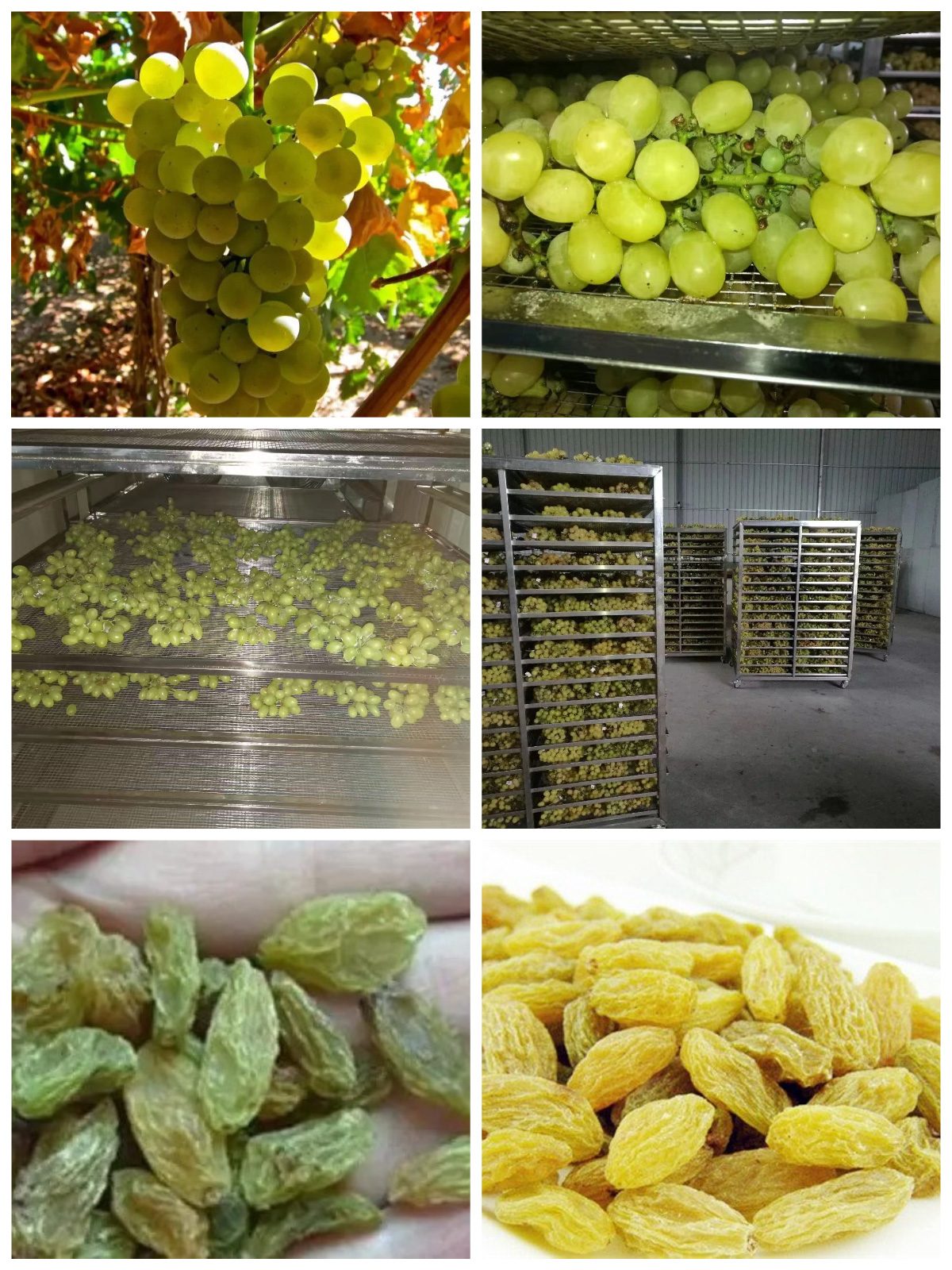
Witness the traditional method of drying grapes for Amarone production.
Browse local selections and enjoy expert advice at the estate store.
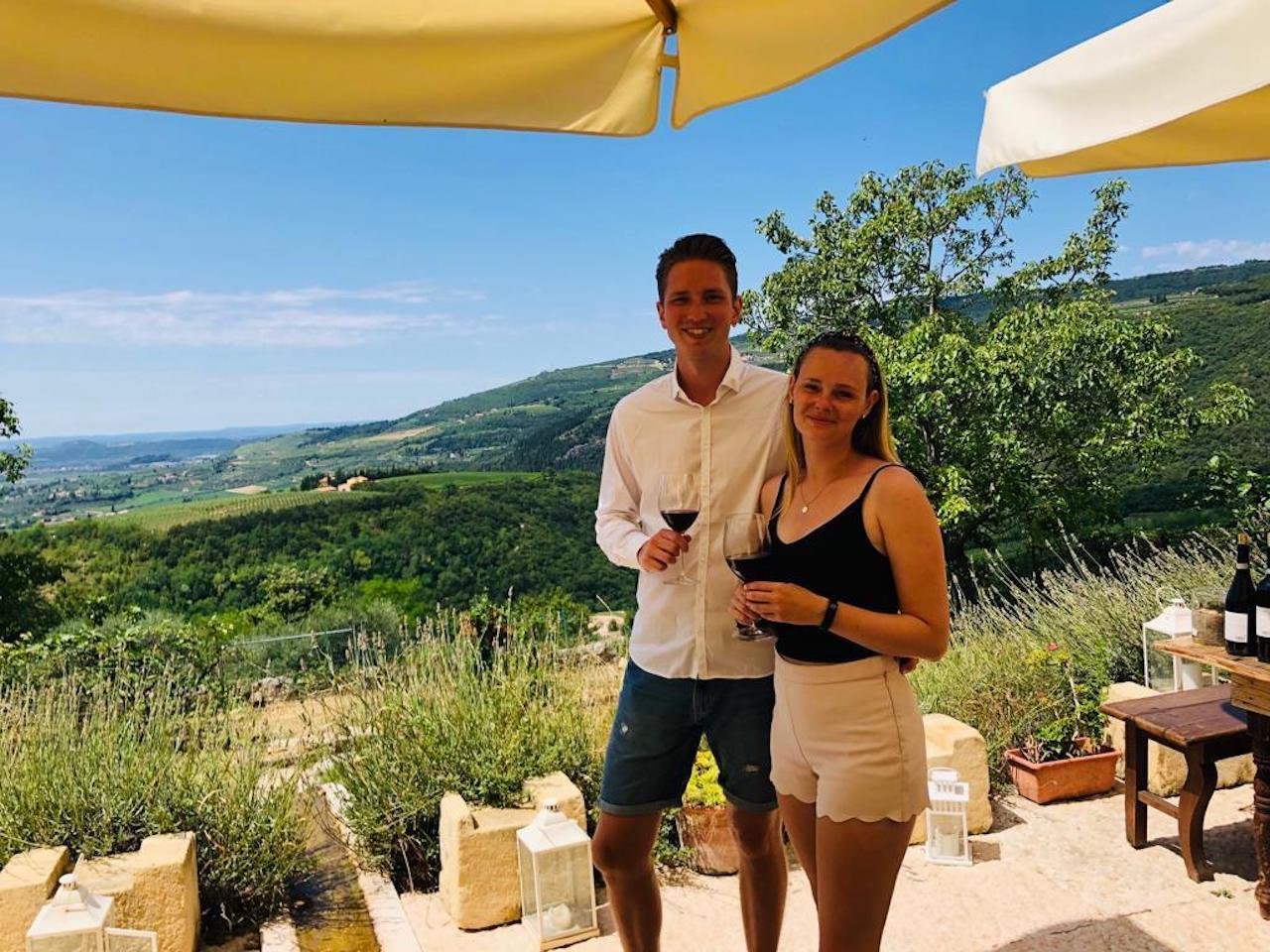
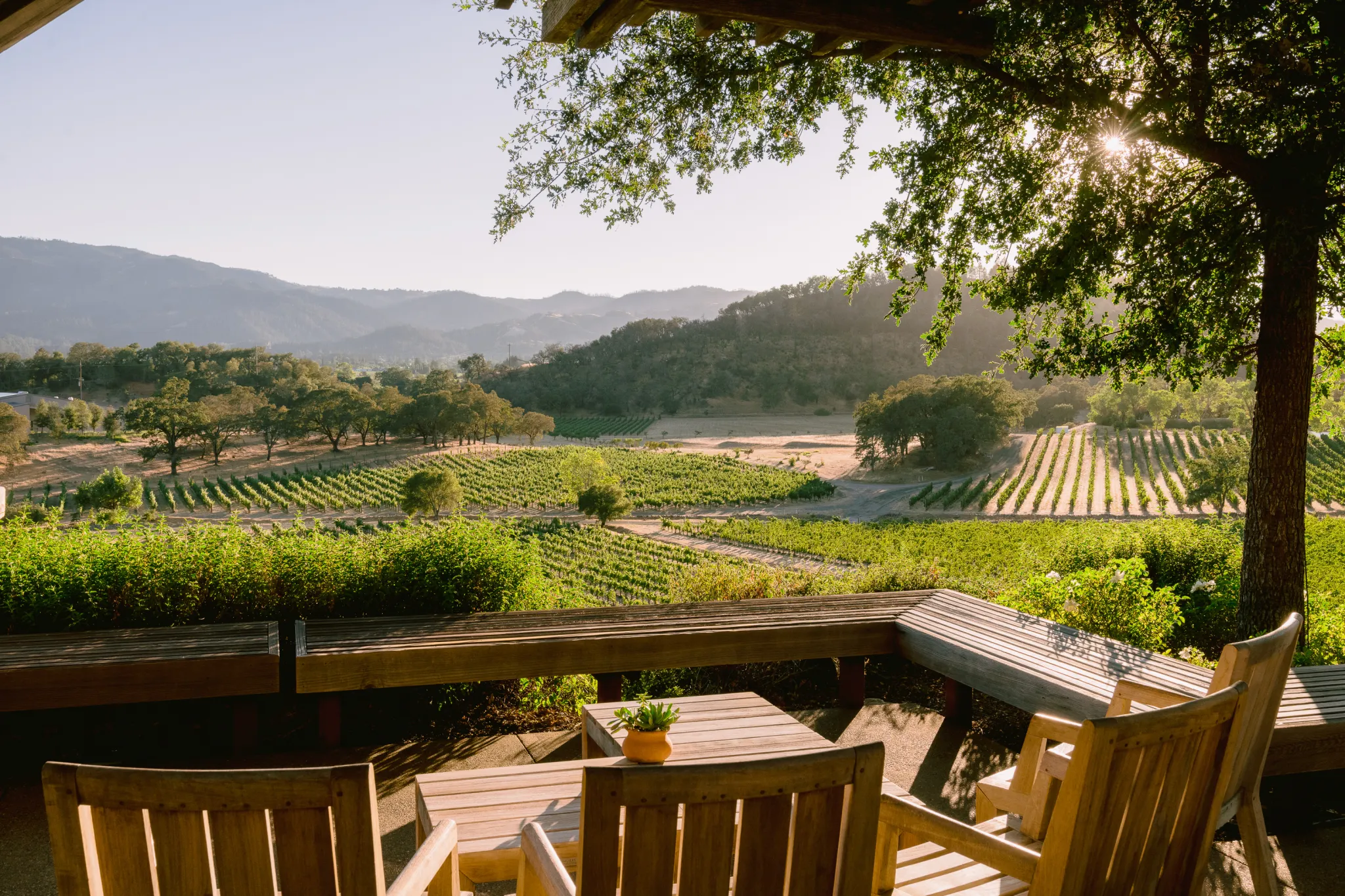
Enjoy curated samples while overlooking the rolling hills of the region.
You meet your guide in Verona's Piazza Bra at 09:00, boarding a minivan that climbs northeast into terraced vineyards within 20 minutes. The first estate appears as a 17th-century villa framed by cypress trees, its gravel courtyard opening onto rows of Corvina vines trained on pergola veronese trellises.
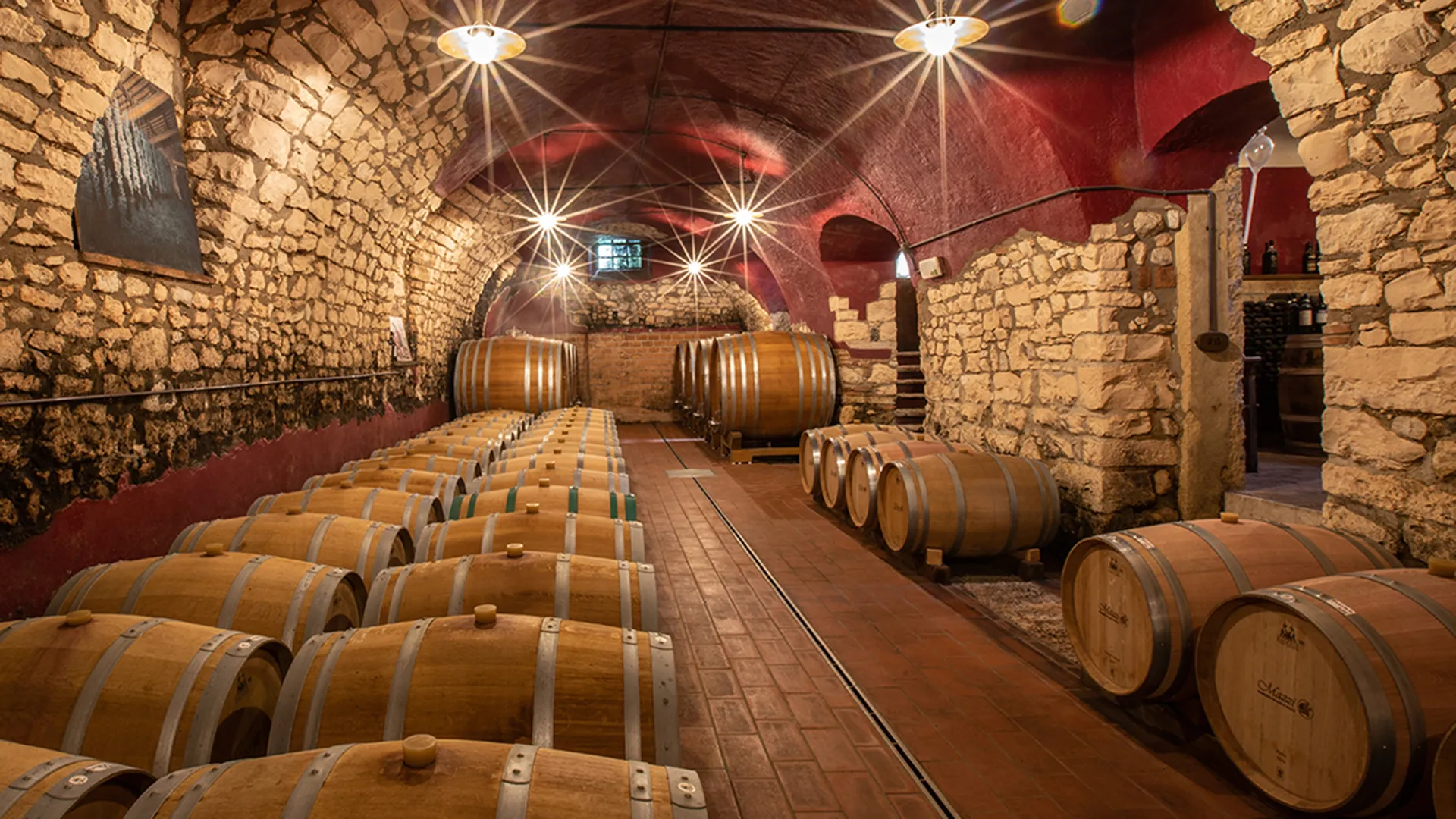
Your group descends into the cellar — stone walls maintain 14°C year-round — where 3,000-liter botti rest on their sides, each stamped with the vintage and cooperage mark.
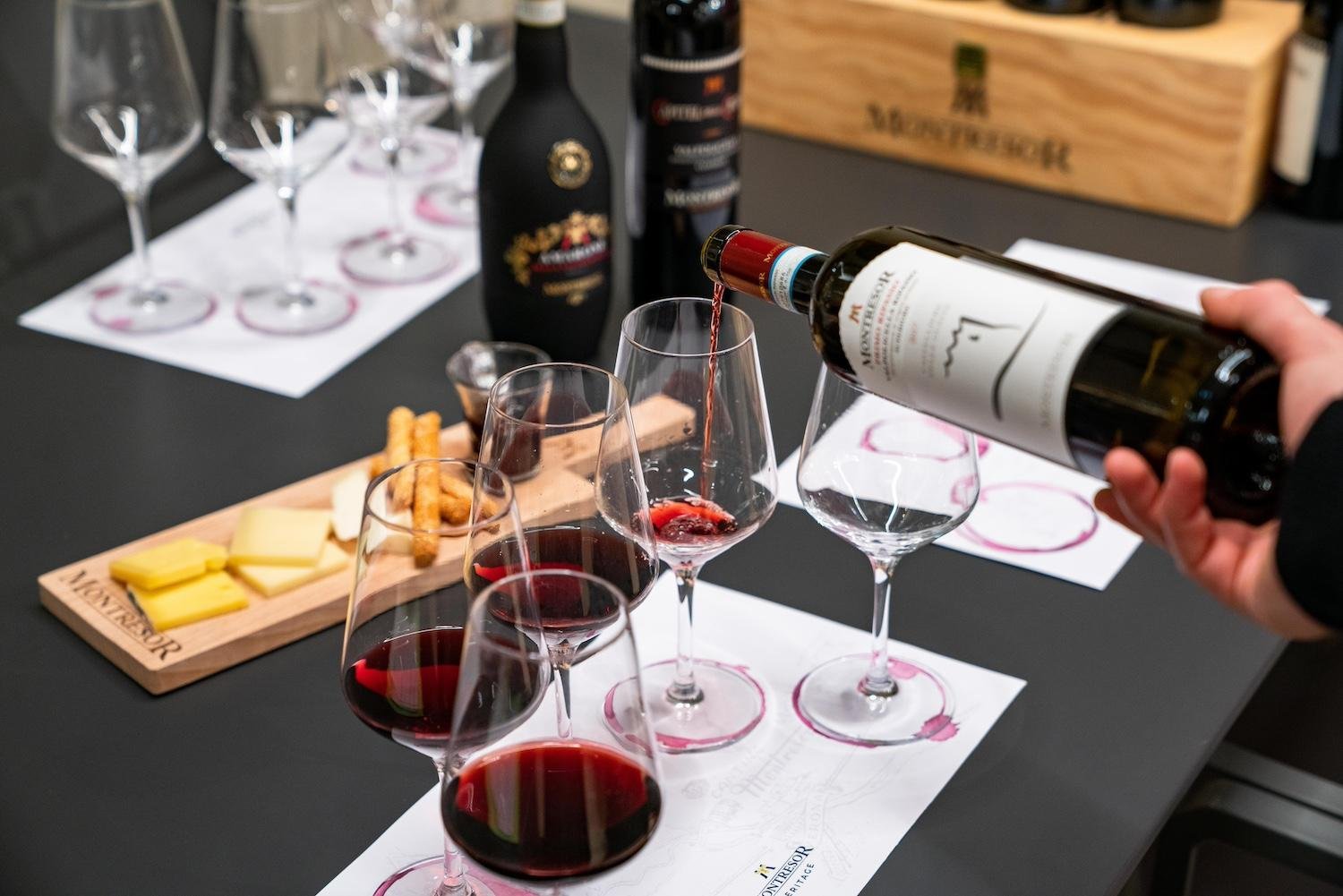
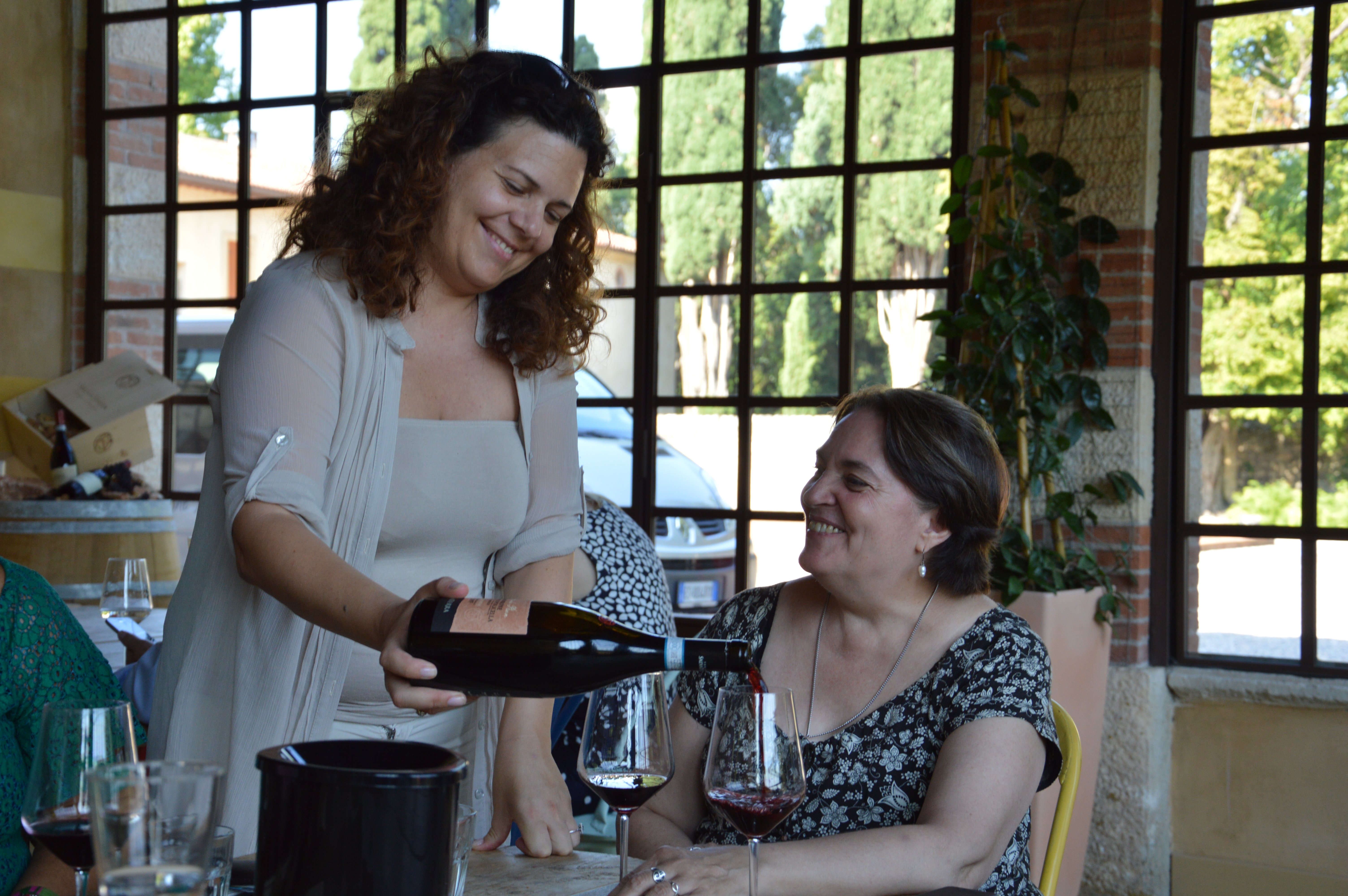
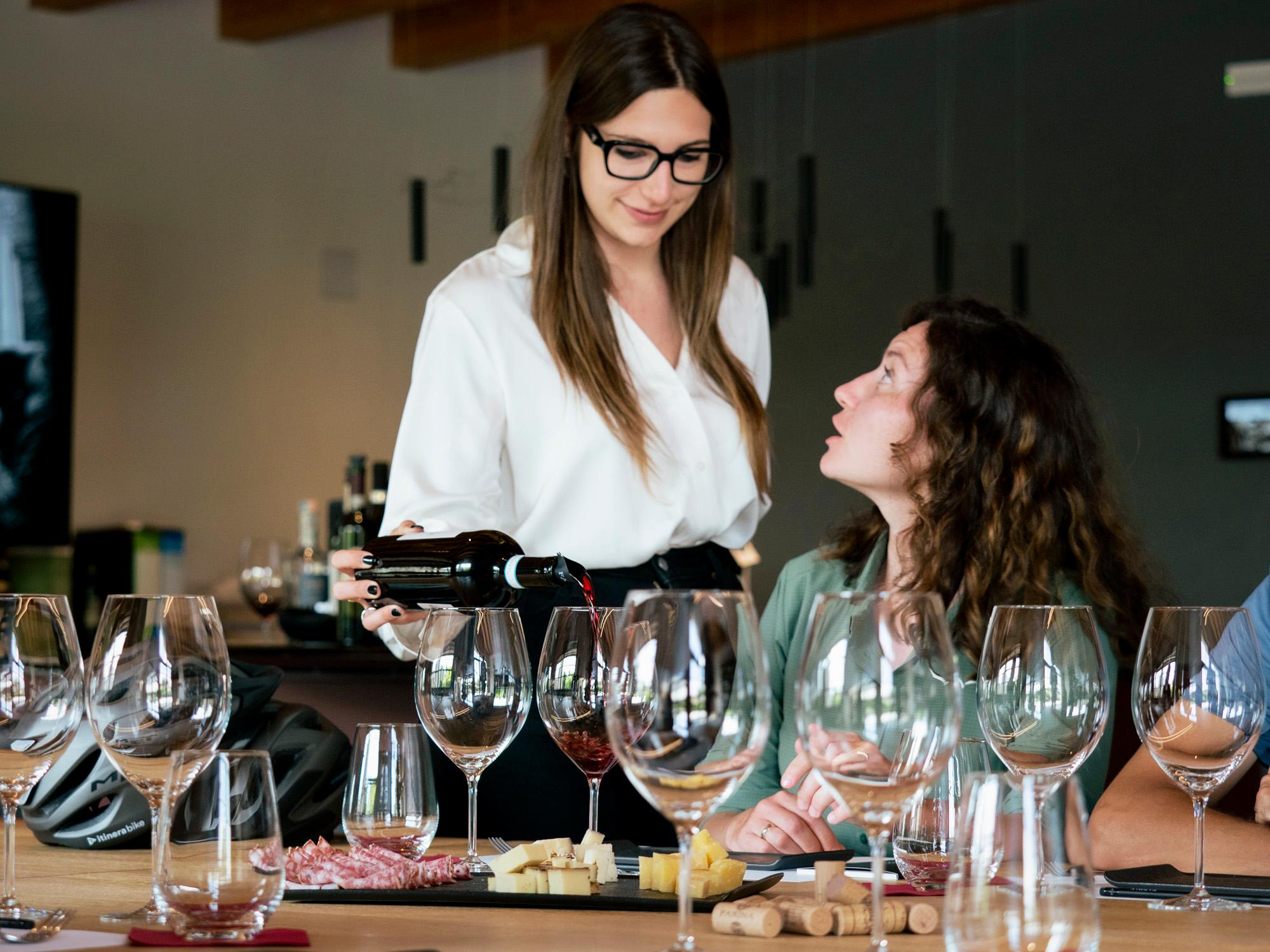
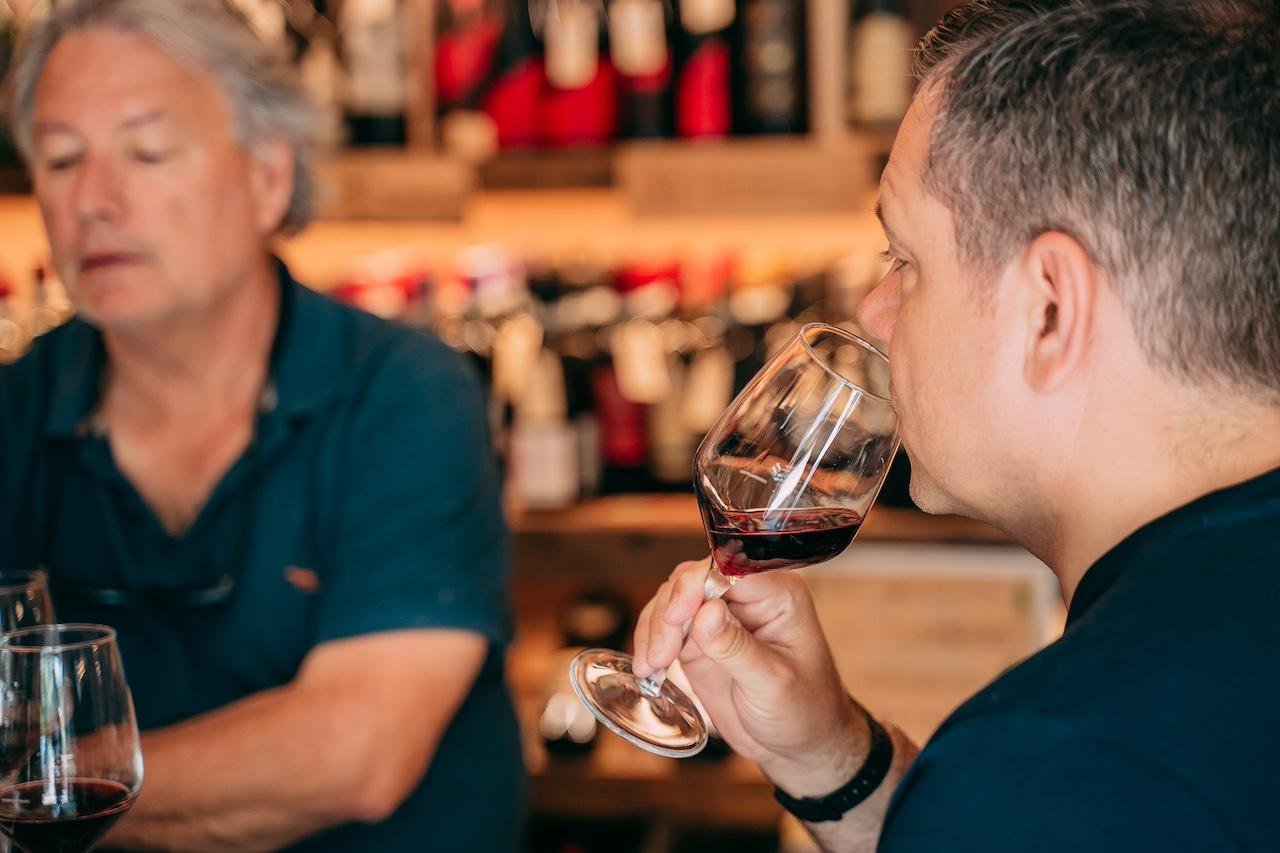
The winemaker pours four wines in sequence: a bright Valpolicella DOC, a Ripasso with layered spice, a 2019 Amarone Classico, and a honeyed Recioto. Between sips you walk the appassimento room, inhaling raisin and fig from grapes spread on bamboo racks. The tasting concludes with sliced soppressa salami and a wedge of aged Monte Veronese as you stand on the terrace overlooking Lake Garda's southern edge, visible 15 kilometers west.
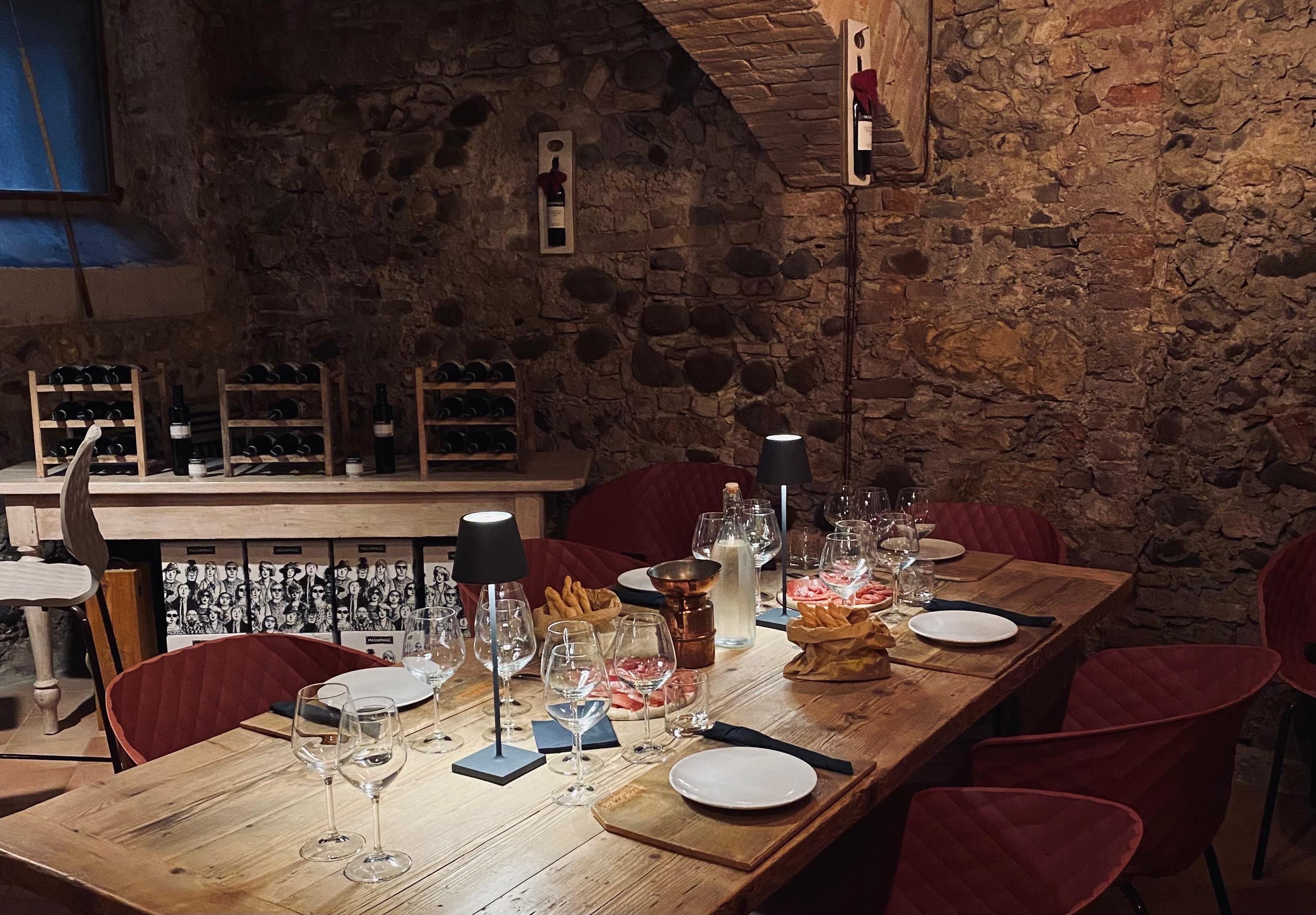
The second winery contrasts the first — a LEED-certified cantina with floor-to-ceiling glass and steel fermentation tanks. Here you taste an organic Valpolicella and a single-vineyard Amarone aged 60 months, paired with extra-virgin oil pressed from the estate's Grignano olives. The sommelier demonstrates how to assess color against white paper, swirling to release volatile compounds. By 16:30 you return to Verona, the van descending through cherry orchards and stone hamlets as afternoon light slants across the valley.
All the details about your upcoming adventure in one place
Valpolicella's wine-making tradition extends back to the 5th century, when Roman poet Cassiodorus documented the region's dried-grape method — appassimento — that concentrates sugars and tannins into what would become Amarone.
The technique survived the Middle Ages through monastic vineyards, codified in the 1950s when producers formalized Amarone della Valpolicella as a denominazione. Today the valley's 19 comuni stretch across 240 square kilometers of limestone slopes between Lake Garda and Verona's eastern outskirts, producing 60 million bottles annually under strict DOCG protocols.
Verona wine tasting itineraries center on three appellations: Valpolicella Classico in the historic heart, Valpantena to the east, and the extended zone reaching toward Soave. Amarone — fermented from Corvina, Rondinella, and Molinara grapes dried for 100 to 120 days — commands global attention, but the region yields four other wines under the same fruit: Valpolicella DOC as the entry tier, Valpolicella Ripasso where young wine referments on Amarone pomace, sweet Recioto, and single-vineyard Riserva bottlings aged 48 months or longer. The appassimento chambers, built into 16th-century villas and modern steel fruttai alike, regulate humidity and airflow to prevent rot while concentrating flavor.
The landscape itself explains the wine. Valpolicella's valleys — Val d'Illasi, Val di Mezzane, Val di Squaranto — funnel cool air from the Lessini Mountains at night, slowing ripening and preserving acidity. Soils shift from volcanic basalt in the hills to alluvial gravel near the Adige River. Most estates operate family cellars where third- and fourth-generation vignerons lead tastings in barrel rooms lined with Slavonian oak botti, the large casks that mature Amarone without overpowering its dried-cherry and tobacco notes. Organic certification has grown since 2010, with 30 percent of Valpolicella vineyards now farmed without synthetic inputs.
Valpolicella wine tour operators coordinate visits to estates otherwise closed to walk-ins, including historic villas like Serego Alighieri — owned by Dante's descendants since 1353 — and modernist cantinas with hillside tasting terraces. Guided experiences pair three to five wines with local salumi, Monte Veronese cheese, and olive oil from the valley's 400-year-old groves. Most wineries open daily from 09:00 to 17:00, with advance booking required for cellar access and vertical tastings of archived vintages.
The appassimento chambers regulate humidity and airflow to prevent rot while concentrating flavor.
Smart casual attire is standard for a verona wine tasting experience. Comfortable footwear is recommended as vineyard tours often involve walking on uneven gravel paths.
Large backpacks and bulky luggage should be left in your vehicle. Security protocols vary by estate, but small personal bags are generally permitted during your verona wine tasting.
Photography is typically permitted in outdoor vineyard areas and cellars. Please request permission from staff before photographing private tasting rooms or specific cellar equipment during your verona wine tasting.
Children are welcome in the outdoor areas, but wine consumption is strictly reserved for those aged 18 and over. Some estates provide non-alcoholic grape juice or snacks for younger visitors during a verona wine tasting.
Many historic cellars are located underground and may have limited elevator access. Please inquire in advance if your verona wine tasting tour group requires barrier-free routes.
External food and beverages are not permitted inside tasting rooms. Many wineries offer local cheese and cured meat platters available for purchase during your verona wine tasting.
Opening hours
09:00–17:00
Address
Valpolicella, Verona, Italy
Accessibility
Varies by winery; contact specific estates for infrastructure details.
Best arrival window
09:00–16:00
Storage
Not available at most rural estates.
Navigation
Use official Strada del Vino maps for route planning.
Public transport · 45 min · Low cost
Local bus lines connect Verona to various Valpolicella villages.
Car · 20 min · Fuel and parking costs
The most flexible method for reaching multiple estates.
Cancellations must be made according to the terms of your specific booking. Refunds are subject to individual winery policies, noting that entry to wine shops is 0 EUR.
Recommended time
Half a day
To experience a proper verona wine tasting, plan for at least four hours to allow for travel between hillside estates. Booking appointments ensures your verona wine tasting tours proceed smoothly, as wineries require time to prepare flights of Amarone and Valpolicella Ripasso. If you intend to visit multiple producers or explore the local viticulture, consider a full-day verona wine tasting tour to account for the necessary transit between vineyards.
Crowd levels through the day
Weather · crowds · average price — dots go green to amber to red as each metric rises.
Mild temperatures and blossoming vines make for excellent walking conditions.
Warm weather, ideal for evening terrace sipping, though afternoon shade is preferred.
The harvest season provides a vibrant backdrop for any verona wine tasting tour.
Cooler months offer a quiet atmosphere for cellar tours and indoor tastings.
Secure your verona wine tasting tickets online to guarantee your preferred time slot.
Many wineries offer international shipping if you find a bottle you love during your visit.
Cellars are significantly cooler than the outside temperatures during a verona wine tasting.
Visit during September to witness the active harvest season in the vineyards.
Plan your verona wine tasting tour to include at most two wineries per day to avoid fatigue.
Valpolicella, Verona
Check specific winery address for your booking
Get directionsThe hills north of Verona have produced wine since Roman times, when Cassiodorus praised the region's output in the sixth century and Pliny the Elder documented local viticulture centuries earlier. The name Valpolicella first appeared in administrative records during the twelfth century, derived from Latin roots meaning valley of many cellars. Medieval monasteries expanded cultivation across the limestone slopes, establishing the corvina grape as the foundation varietal. By the fifteenth century, Veronese merchant families controlled vast vineyard estates, exporting barrel-aged reds through Venetian trade routes to northern Europe. The technique that defines modern Verona wine tasting tours emerged by accident in the nineteenth century. Winemakers had long dried grapes on bamboo racks to concentrate sugars for sweet recioto, but one batch in the 1800s fermented completely dry, producing a robust red locals called amarone—the great bitter. Commercial production remained limited until the 1950s, when producers formalized appassimento methods and began bottling amarone as a distinct style. The Valpolicella DOC designation arrived in 1968, followed by stricter geographic subzones in subsequent decades. Phylloxera devastated regional vineyards between 1880 and 1920, forcing growers to replant on American rootstock and abandon marginal sites. Post-war industrialization in the 1960s triggered a volume crisis, as cooperatives prioritized yield over quality and flooded markets with thin valpolicella that damaged the appellation's reputation. A countermove began in the 1980s when estates like Dal Forno and Quintarelli reduced harvests, revived traditional drying chambers, and aged wines in Slavonian oak. These producers demonstrated that rigorous site selection and extended maceration could yield structured reds capable of decade-long aging. Today the Strada del Vino Valpolicella unites over eighty wineries across five valleys, offering structured verona wine tasting experiences that trace this evolution from Roman amphorae to temperature-controlled appassimento lofts. Visitors walk terraced vineyards planted on pergola systems, inspect drying racks loaded with October-harvested corvina, and compare young valpolicella against aged amarone reserves in family cellars unchanged since the 1700s.
Pliny the Elder documents wine production in the hills north of Verona
The name Valpolicella appears in written records, designating the valley of many cellars
Winemakers accidentally create amarone by allowing recioto grapes to ferment completely dry
Phylloxera epidemic destroys regional vineyards, forcing replanting on resistant rootstock
Producers formalize appassimento drying methods and begin commercial amarone bottling
Valpolicella receives DOC protected designation status, establishing geographic boundaries
Premium estates reduce yields and revive traditional techniques, restoring the appellation's reputation
The Strada del Vino consortium organizes verona wine tasting tickets and cellar door experiences across eighty member wineries
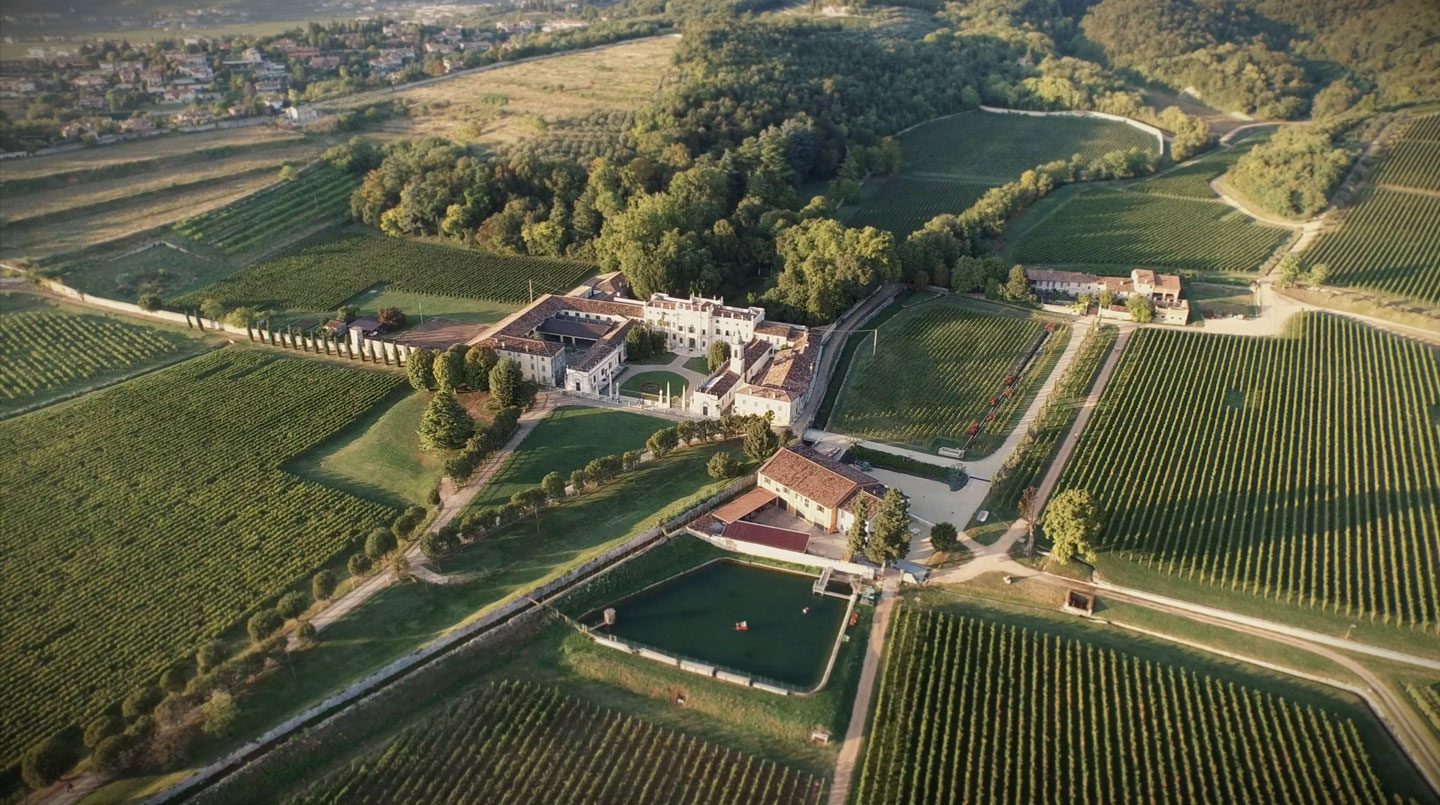
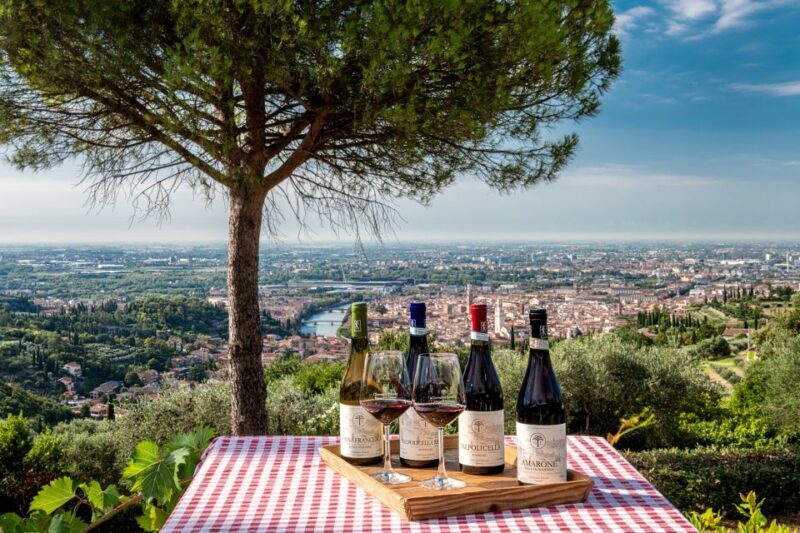
Stand on the expansive stone terrace looking out over the geometric rows of the surrounding vineyards. This elevated vantage point provides a clear view of the historic estate architecture and the lush valley landscape.
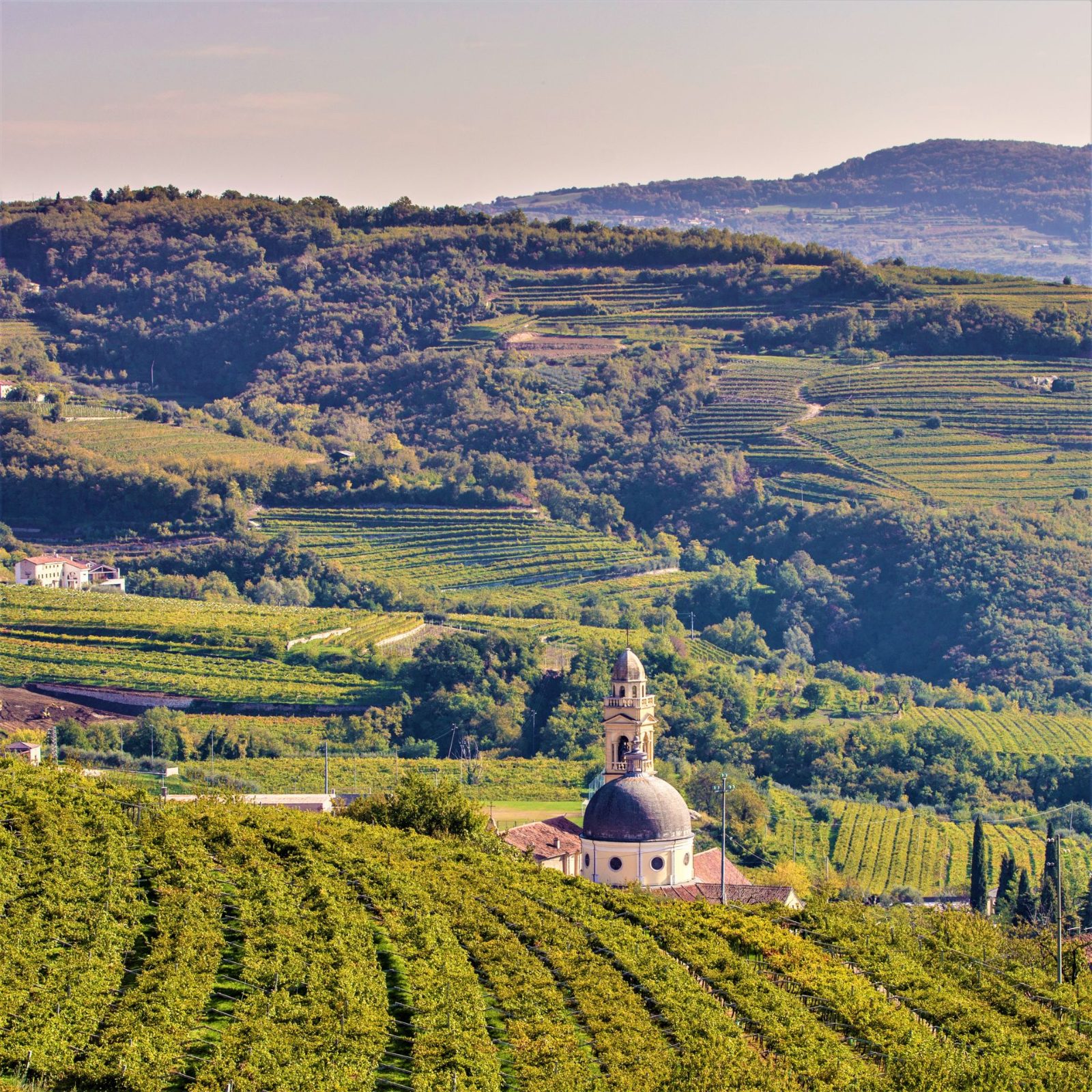
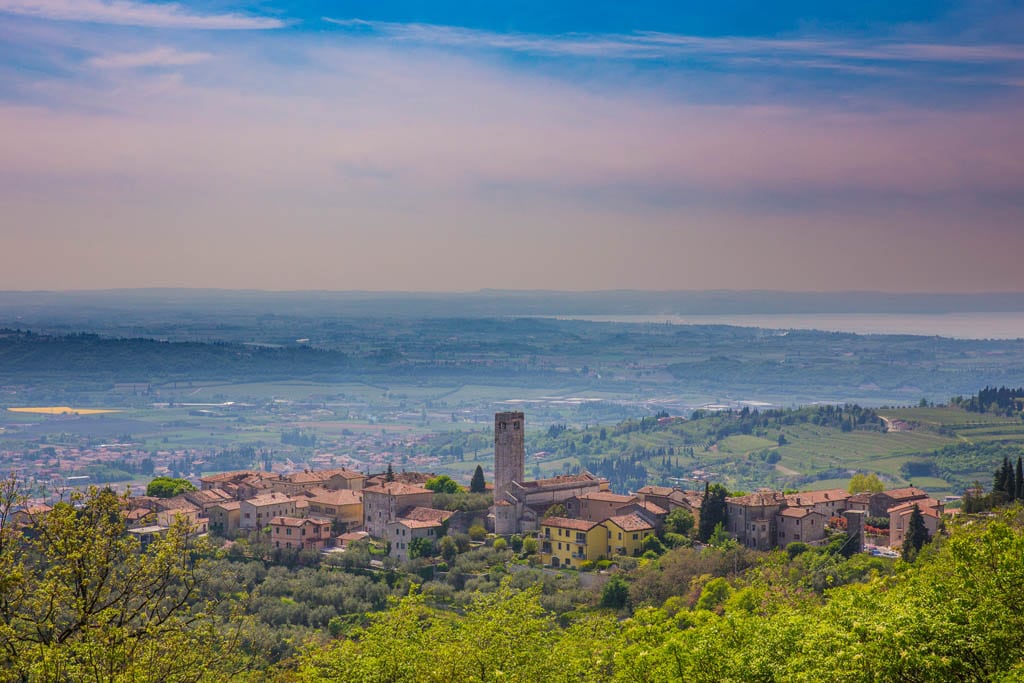
Position your camera at the edge of the secondary road overlooking the village to capture the layered hillsides. This spot offers a panoramic perspective of the region where verona wine tasting typically takes place.
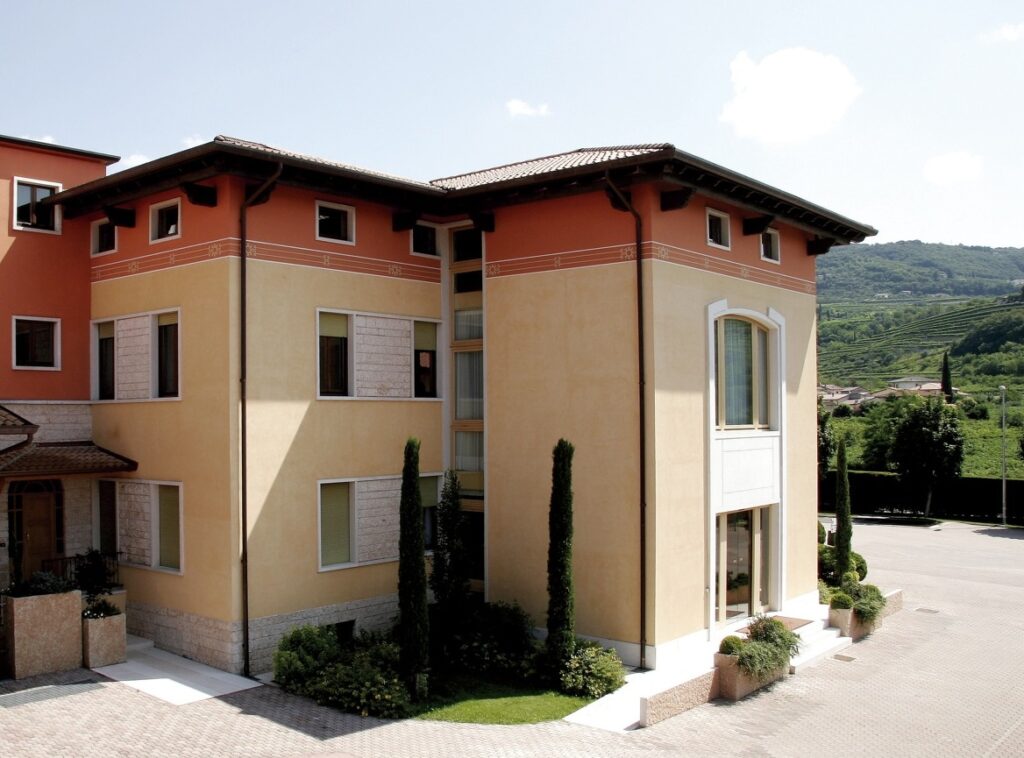
Access the dedicated viewing area of the cooperative winery to observe the modern barrel cellars and the sweeping plains below. It is a functional space that provides a contrast between traditional viticulture and contemporary facility design.
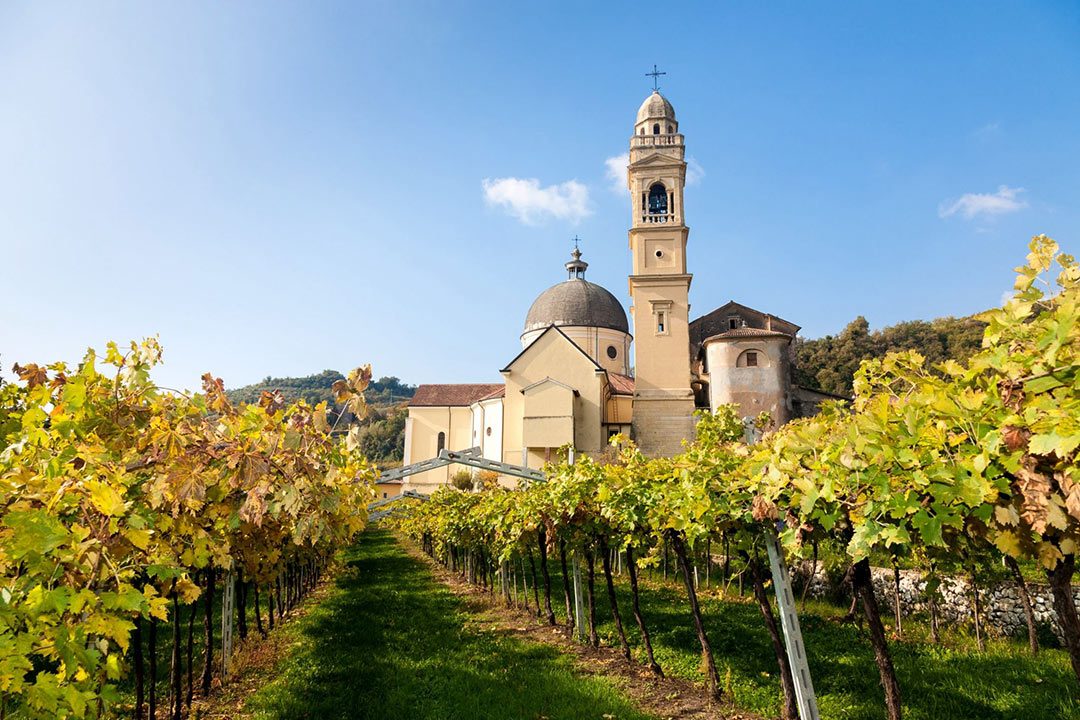
Frame your shot from the stone square in front of this Romanesque parish church to include the high-altitude view of the entire basin. This location serves as an excellent vantage point for verona wine tasting tours that include historical site visits.
Planning a verona wine tasting session in Valpolicella can be a rewarding experience for families, as many local estates offer engaging activities that blend nature with education. Parents will find that the region is welcoming, with some wineries providing specific programs to keep children entertained while adults explore regional viticulture.
Most vineyard paths are unpaved and rural, so choose a sturdy, all-terrain stroller or a baby carrier for easier mobility.
Look for wineries offering guided vineyard walks or interactive "little sommelier" programs where children can explore the cellar and enjoy fruit juice tastings.
Some estates provide dedicated children's snacks featuring local peach jam and bread, but bringing your own supplies is wise for longer excursions.
To maximize your verona wine tasting tours, aim for the 09:00–16:00 window to ensure a relaxed pace before the crowds arrive.
These visits are particularly engaging for children aged 2 to 10 who enjoy outdoor freedom, while older kids may appreciate the historical insight during a verona wine tasting tour.
Always confirm your verona wine tasting tickets in advance by calling or emailing, as many wineries require reservations to provide child-friendly amenities and staffing.
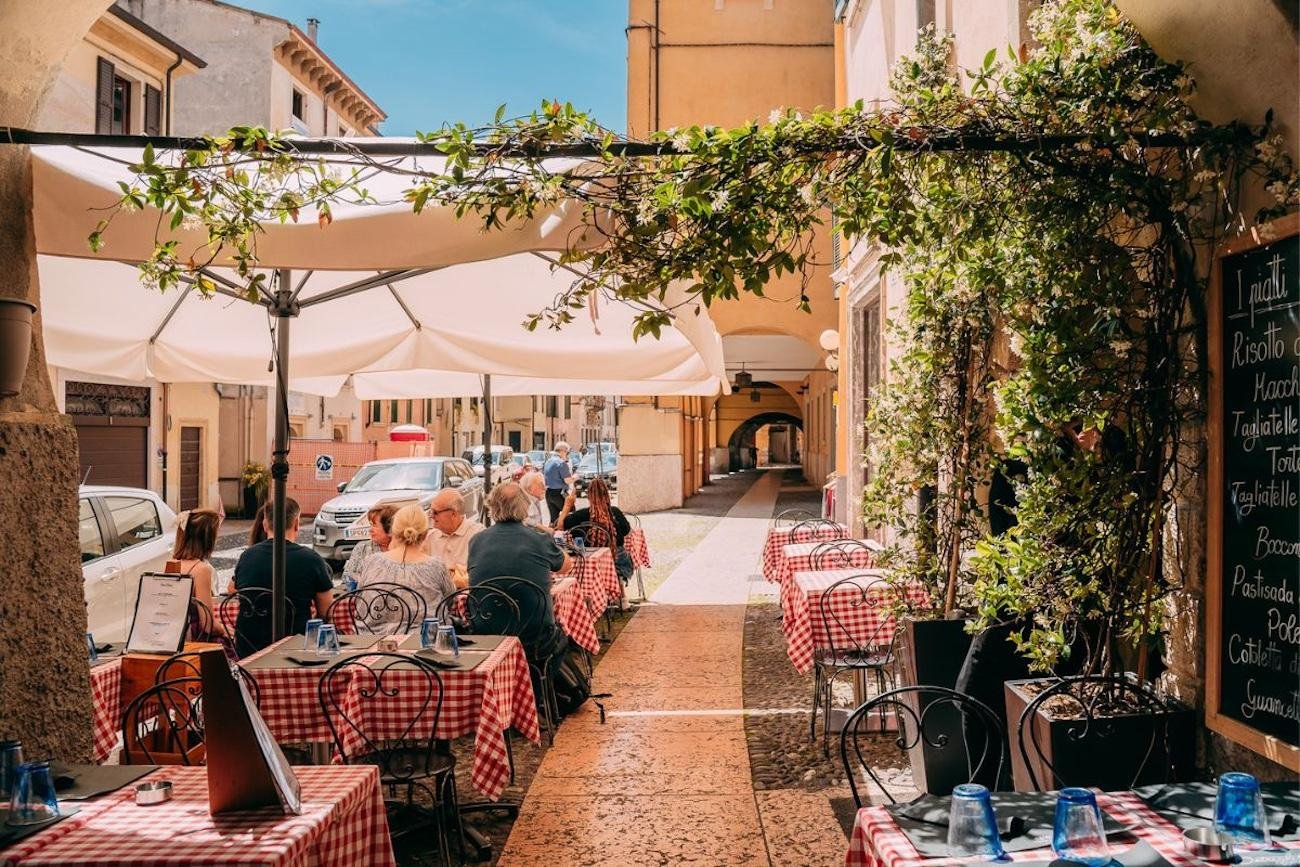
Exploring the countryside for a verona wine tasting experience is best paired with traditional Venetian osterias that highlight the region's rich viticulture. Many estates offer curated pairings, while nearby village hubs provide authentic local flavors that complement bold Amarone and Valpolicella blends.
Located near local vineyards, this spot serves traditional handmade bigoli pasta with duck sauce. It is a reliable stop for those on verona wine tasting tours who prefer rustic, home-cooked regional dishes.
This venue excels at bridging local food culture with an extensive cellar list, perfect for securing your verona wine tasting tickets and enjoying a seated meal. The menu focuses on seasonal ingredients and slow-cooked meats that pair well with deep red vintages.
A historic establishment known for its authentic atmosphere and connection to the area's wine heritage. It is a quiet venue to reflect after completing a verona wine tasting tour while sampling aged cheeses and cured meats.
Everything you need to know for your journey
The wineries in Valpolicella are open daily from 09:00–17:00.
Entrance to wine shops is 0 EUR, while specific tasting fees vary by winery and experience.
Yes, children are welcome in outdoor areas of the Valpolicella estates, though wine tasting is restricted to adults.
External food is not permitted, but many wineries in Valpolicella offer local snack platters for purchase.
Smart casual attire with comfortable shoes is recommended for navigating vineyard paths.
Yes, photography is permitted in most areas, though it is polite to ask staff before capturing cellars.
We recommend arriving between 09:00–16:00 to avoid mid-day crowds and ensure sufficient time for your experience.
Many estates have accessible routes, but it is best to confirm specific infrastructure details with your winery.
Bookings can be made directly through the official site or via your preferred tour operator.
Nearby points of interest include the Pieve di San Giorgio and Villa Mosconi Bertani.
Ancient Romanesque church with panoramic views.
Historic villa with extensive gardens and wine history.
Stunning landscape views of the local grape-growing region.
Relaxing green space for quiet afternoon breaks.
Charming farm-stay experience in the heart of the vines.
Comfortable lodging near the primary regional routes.
Wide variety of luxury and boutique options.
Join thousands of happy travelers who have discovered this incredible experience
Book Your Experience Now