

Quick answer
Verona wine types from Valpolicella divide into four categories: Valpolicella Classico (fresh, cherry-forward everyday red), Valpolicella Ripasso (re-fermented over Amarone grape skins for richer body), Amarone della Valpolicella (powerful, dried-grape wine aged minimum two years), and Recioto della Valpolicella (sweet dessert wine from the same appassimento process). All four share the Corvina-Rondinella-Corvinone base but differ in drying time, fermentation technique, and residual sugar, producing a spectrum from 11% ABV table wine to 16% ABV contemplative reds.
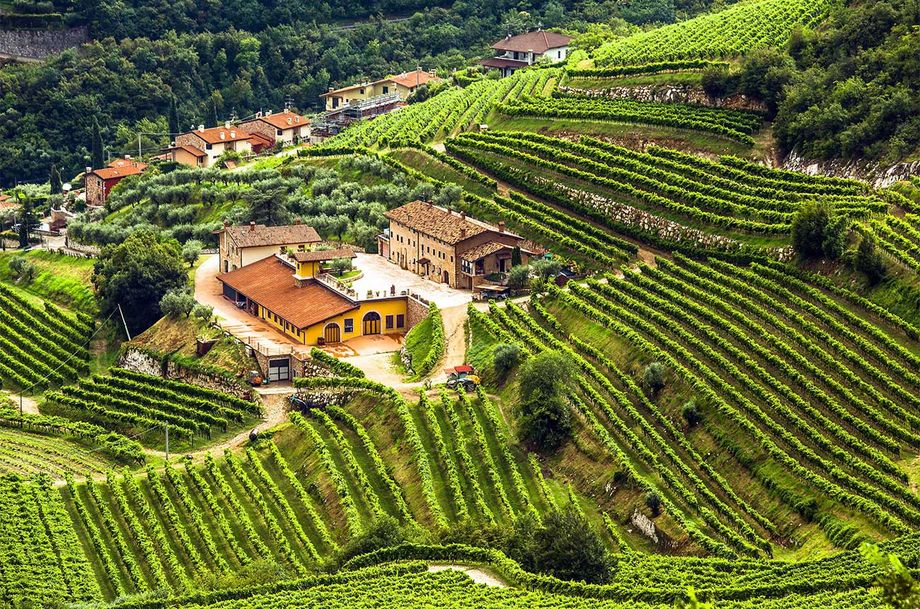
The Corvina grape accounts for 45 to 95 percent of every Valpolicella blend, yet most drinkers outside Italy have never tasted it in isolation. Its thin skin and late ripening make it ideal for the appassimento drying process that defines the region's flagship wines. Rondinella adds acidity and structure, while Corvinone—a distinct variety, not a Corvina clone—contributes color and tannin. These three varieties grow on hillside pergola systems designed to maximize airflow and sun exposure, critical for grapes destined to spend months drying on straw mats. Valpolicella Classico represents the region's everyday expression: bright, medium-bodied, with sour cherry and almond notes, typically consumed within two years of harvest. The Ripasso method takes young Valpolicella and re-ferments it on the warm, unpressed skins left over from Amarone production, extracting additional flavor, alcohol, and aging potential. The process adds roughly six months to production time and yields a wine with chocolate and dried fig characteristics alongside the original fresh fruit. Amarone della Valpolicella involves drying harvested grapes on wooden racks for 100 to 120 days, concentrating sugars and flavors before fermentation. The result reaches 15 to 16 percent alcohol, with dried cherry, tobacco, and leather notes that develop over decades. Recioto follows the same drying protocol but halts fermentation early, preserving grape sugars to create a sweet wine traditionally paired with almond pastries. Both Amarone and Recioto require extended aging—Amarone minimum two years, Riserva four years—before release. Wineries in the San Pietro in Cariano and Fumane valleys offer guided tastings that compare all four styles side by side, allowing visitors to trace how drying time and fermentation choices reshape the same grape varieties. The Consorzio Tutela Vini Valpolicella enforces strict production standards, ensuring that bottles labeled Valpolicella DOC or Amarone DOCG meet geographic and technical requirements. Most estates charge between 15 and 40 euros for tastings that include three to five wines, cave tours, and vineyard walks, with advance booking required during harvest season from late September through October.
“The same three grapes yield everything from 11 percent table wine to 16 percent cellar-aged Amarone, shaped entirely by how long they dry and when fermentation stops.”
Best Time to Explore Verona Wine Types and Valpolicella Wineries
To experience Valpolicella wineries effectively, the optimal arrival window is 09:30–16:00. Visiting within this period maximizes your opportunity to access winery shops and arrange tastings before businesses conclude their daily operations.
Spring (April–May)
Moderate crowdsMild, 15°C to 22°C. Ideal for exploring vineyards during the growing season.
Autumn (September–October)
High crowdsCool, 12°C to 20°C. Peak time for the harvest season activities.
Weekday mornings
Minimal crowds—. Best for quiet, personalized interaction with winery staff and shop owners.
Summer (July–August)
High crowdsWarm, 25°C to 30°C. Requires advanced planning due to higher visitor volume.
Verdict: For the most efficient access to tastings, plan your arrival between 09:30 and 16:00 during the months of April or October.
Operating Hours for Verona Wine Types Information and Support
The information center for the Valpolicella wine region maintains a consistent schedule throughout the week. The office remains closed to public walk-in inquiries during all standard operating days.
| Monday | Closed | |
|---|---|---|
| Tuesday | Closed | |
| Wednesday | Closed | |
| Thursday | Closed | |
| Friday | Closed | |
| Saturday | Closed | |
| Sunday | Closed |
Admission and Costs for Exploring Verona Wine Types
Valpolicella is a wine region rather than a single attraction, meaning there is no centralized entrance fee to enter the area. Costs for tours and tastings are determined and charged individually by each winery.
Visitors pay 0 EUR to access the region, while total costs depend on the specific tastings and tours selected at each winery.
How to Arrive at Verona Wine Types Origins in Valpolicella
The regional information center for Valpolicella is located at Via Ingelheim, 7, 37029 San Pietro in Cariano. It is most easily accessed by car or regional bus from the center of Verona.
Follow SS12 or SP6 south from Verona toward San Pietro in Cariano
ATV Line 101 or 103 from Verona Porta Nuova station
Direct service from Verona city center
Essential Facts About Verona Wine Types and Valpolicella Production
The Valpolicella region produces a diverse range of red wines, primarily crafted from a blend of Corvina, Corvinone, and Rondinella grapes. These wines are defined by distinct production techniques that concentrate flavors and character.
Valpolicella Classico
This is the standard red wine of the region, known for its light, fresh, and fruit-forward profile. It is typically intended for early consumption and pairs well with a variety of local dishes.
Amarone della Valpolicella
This dry red wine is produced using the appassimento method, where grapes are dried for several months before fermentation. This process results in high alcohol content and a rich, full-bodied structure with concentrated dried-fruit notes.
Valpolicella Ripasso
This style is created by passing standard Valpolicella wine over the fermented skins (pomace) leftover from Amarone production. This second fermentation adds complexity, deeper color, and higher tannin levels to the final wine.
Recioto della Valpolicella
This is a sweet red dessert wine produced from dried grapes, similar to Amarone. Fermentation is halted before completion, leaving significant residual sugar and a velvety mouthfeel.
Corvina is the primary grape
This variety forms the base of most Valpolicella blends, providing the essential structure and acidity. It is highly valued for its ability to withstand the drying process used in Amarone and Recioto production.
Appassimento technique duration
Grapes destined for Amarone and Recioto are left to dry for approximately 100 to 120 days. During this time, they lose significant water weight, which naturally concentrates the sugars and aromatic compounds.
Preparation Checklist for Verona Wine Types and Vineyard Visits
Visiting Valpolicella wineries requires advance planning, as most tastings operate by appointment only and each estate sets its own schedule and fees.
-
Book winery tastings in advance
-
Most estates require reservations and do not accept walk-ins, especially during harvest season.
-
Confirm individual winery opening days
-
Many cellars close mid-week or seasonally; verify schedules directly with each property you plan to visit.
-
Designate a driver or arrange transport
-
Wine tastings involve alcohol; public transport is limited in the countryside, so plan safe travel between estates.
-
Ask about tasting fees when booking
-
Each winery charges separately, typically 10–30 EUR per person depending on the wines and tour included.
-
Pack a light jacket for cellar tours
-
Underground aging rooms stay cool year-round, even in summer.
-
Arrive during the 09:30–16:00 window
-
This timeframe allows you to visit multiple wineries before typical closing hours and ensures staff availability for tastings.
Check availability
Frequently Asked Questions About Verona Wine Types
Everything you need to know about verona wine types